The Mercedes-Benz Sprinter manual is a valuable resource for owners seeking detailed information about their vehicle’s operation and maintenance.
BenzWorld.org provides a comprehensive collection of Mercedes-Benz information, including forums and publications, aiding Sprinter owners in various aspects.
Understanding the intricacies of a manual transmission Sprinter requires a dedicated guide, offering insights into its unique features and potential challenges.
What is the Mercedes-Benz Sprinter?
The Mercedes-Benz Sprinter is a versatile commercial vehicle renowned for its durability, spaciousness, and adaptability. Initially introduced in Europe in 1995, it arrived in North America in 2001, quickly becoming a favorite among businesses and individuals alike.
Available in various configurations – cargo van, passenger van, chassis cab – the Sprinter caters to diverse needs, from delivery services to camper van conversions. Its robust construction and rear-wheel or all-wheel drive options ensure reliable performance in demanding conditions.
The Sprinter’s appeal extends to its customizable nature, allowing owners to tailor it to specific requirements. Online resources like BenzWorld.org offer extensive information and community support for Sprinter enthusiasts.
Why a Manual Transmission Sprinter?
A manual transmission Sprinter offers a distinct driving experience appealing to those who prefer greater control and engagement; While automatics dominate the market, the manual provides a more direct connection to the vehicle, enhancing driver feel and potentially improving fuel efficiency.
Historically, manual Sprinters were favored for their simplicity and lower maintenance costs compared to early automatic versions. However, finding a manual Sprinter today is increasingly rare, making them sought-after by enthusiasts.
Owners seeking a more involved driving experience, or those prioritizing potential cost savings, often gravitate towards the manual transmission option. Resources like BenzWorld.org can connect owners with shared interests.

Understanding Sprinter Generations
Sprinter generations – T1N (1995-2000), W906 (2001-2018), and VS30 (2019-Present) – each present unique characteristics impacting manual transmission availability and features.
Knowing the generation is crucial for parts sourcing and troubleshooting.
First Generation (T1N) ― 1995-2000
The T1N Sprinter, introduced in 1995, marked a significant shift for Mercedes-Benz into the larger van segment. Manual transmissions were commonly available during this period, often featuring a five-speed gearbox. These early Sprinters, while robust, are now showing their age, and finding original parts can sometimes be challenging.
Owners should be aware of potential wear and tear on the clutch and gearbox components due to the vehicle’s age. Resources like BenzWorld.org can be invaluable for locating information and connecting with other T1N owners facing similar maintenance issues.
Early models often require more frequent maintenance compared to later generations.
Second Generation (W906) ― 2001-2018
The W906 Sprinter, spanning 2001 to 2018, saw continued availability of manual transmissions, though their popularity gradually decreased as automatics became more prevalent. This generation introduced improvements in ride quality, safety features, and overall refinement compared to the T1N.
Common gearbox options included six-speed manuals, offering improved fuel efficiency and smoother shifting. Owners frequently utilize online forums like BenzWorld.org to diagnose issues and share repair experiences specific to the W906’s manual transmission systems.
Regular maintenance is crucial for longevity.
Third Generation (VS30) ― 2019-Present
The VS30 Sprinter, from 2019 onwards, represents a significant leap in technology and driver assistance systems. However, manual transmission availability has become increasingly limited in North America, catering primarily to specific commercial needs.
Mercedes-Benz has focused on enhancing automated features, including augmented reality HUDs for improved navigation and safety. Despite the shift, dedicated Sprinter owners continue to rely on resources like BenzWorld.org for maintenance advice and troubleshooting.
Ongoing fixes address known issues.

Manual Transmission Specifics
Sprinter manual transmissions feature distinct gearbox types, and understanding potential issues—like clutch wear—is crucial. Regular maintenance, guided by fault code diagnostics, ensures longevity.
Gearbox Types Available
Mercedes-Benz Sprinter manual transmissions historically offered several gearbox options, varying by generation and model year. Early Sprinters (T1N) primarily utilized a 5-speed manual gearbox, known for its robust construction but relatively simple design. The subsequent W906 generation saw the introduction of a more refined 6-speed manual transmission, offering improved fuel efficiency and smoother shifting.
These 6-speed gearboxes were designed to handle the increased torque output of later Sprinter engines. While not as common, some Sprinters also featured variations within these core designs, tailored to specific engine configurations or Gross Vehicle Weight (GVW) ratings. Identifying the specific gearbox type requires referencing the vehicle’s VIN and corresponding option codes.
Common Issues with Sprinter Manual Transmissions
Sprinter manual transmissions, while generally durable, can exhibit certain common issues. Clutch wear is a frequent concern, particularly with heavy use or frequent starts and stops. Oil leaks from the gearbox seals are also relatively common, often manifesting as drips near the transmission housing.
Difficulty shifting gears, especially into first or reverse, can indicate internal wear or synchronization problems. Grinding noises during shifting are a clear sign of worn synchronizers or damaged gears. Regular maintenance and prompt attention to these issues can prevent more significant and costly repairs.
Maintenance Schedule for Manual Transmissions
Maintaining a Sprinter’s manual transmission is crucial for longevity. Fluid changes are paramount, typically recommended every 30,000 to 60,000 miles, depending on usage. Inspect gearbox seals for leaks during routine service intervals.
Regularly check clutch pedal feel for sponginess, indicating potential hydraulic issues or clutch wear. Inspect shift linkage for smooth operation and adjust as needed. Addressing minor issues promptly prevents costly repairs. Following a strict maintenance schedule ensures reliable performance and extends the transmission’s lifespan.
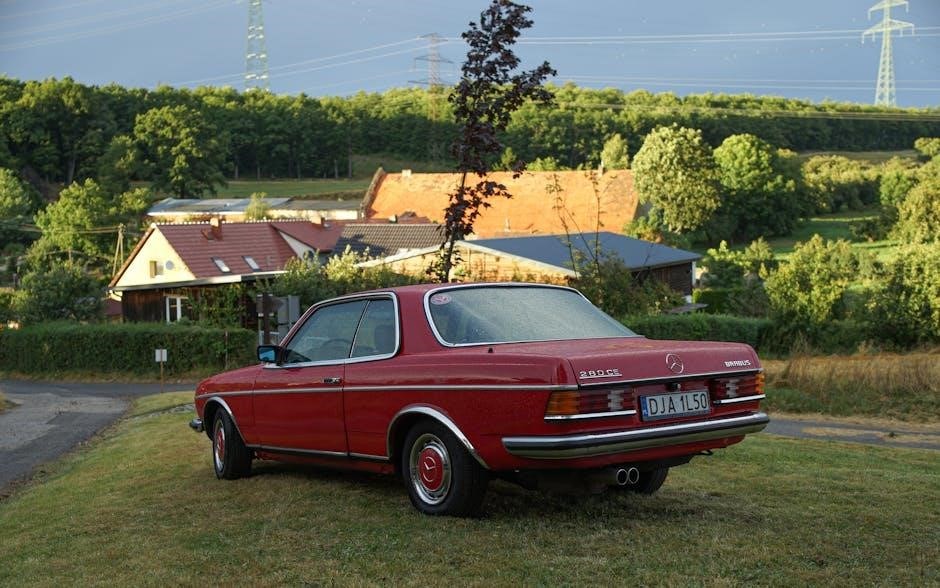
Pre-Purchase Inspection — Manual Sprinter
A thorough inspection is vital before buying a manual Sprinter. Check clutch wear, gearbox leaks, and shifting smoothness to avoid future mechanical issues and expenses.
Checking Clutch Wear
Assessing clutch wear in a manual Sprinter is crucial during a pre-purchase inspection. Begin by starting the engine and pressing the clutch pedal to the floor, observing for any unusual noises or vibrations.
Next, engage a higher gear at a low speed and gently accelerate; excessive engine revving without a corresponding increase in speed indicates potential clutch slippage.
Inspect the clutch pedal’s travel – excessive play or a spongy feel can signify wear. Finally, a smell of burning during clutch engagement is a clear warning sign of significant wear and tear, potentially requiring replacement.
Inspecting Gearbox for Leaks
A thorough gearbox leak inspection is vital when evaluating a manual Sprinter. Begin by visually examining the gearbox casing for any signs of oil residue, focusing on the input and output shaft seals.
Check around the shift linkage and the gearbox mounting points for evidence of leakage. Place a clean sheet of cardboard under the gearbox overnight to detect even minor drips.
Low gearbox oil levels can lead to premature wear and damage, so addressing leaks promptly is essential for maintaining the longevity of the transmission.
Testing Shifting Smoothness
Evaluating shifting smoothness is crucial during a manual Sprinter pre-purchase inspection. Start the engine and, with the vehicle stationary, cycle through all gears, listening for any unusual noises like grinding or crunching.
During a test drive, pay attention to how easily the gear lever engages each gear. Hesitation, resistance, or difficulty selecting a gear indicates potential issues.
Smooth, precise shifts are a hallmark of a healthy manual transmission, while any roughness suggests internal wear or synchronization problems.

Driving a Manual Sprinter
Mastering a manual Sprinter demands proper shifting techniques, especially on hills and with heavy loads, ensuring smooth operation and longevity of the transmission.
Proper Shifting Techniques
Executing smooth gear changes in a manual Mercedes-Benz Sprinter is crucial for both driver comfort and the longevity of the gearbox. Begin by fully depressing the clutch pedal before engaging the shifter.
Select the desired gear with a deliberate motion, avoiding forcing or rushing the shift. Simultaneously, smoothly release the clutch while gently applying throttle.
Coordinating these actions minimizes wear and tear on the clutch and transmission components. Practice makes perfect, and mastering these techniques will significantly enhance the driving experience.
Remember to downshift appropriately when slowing down or approaching hills.
Hill Starts and Clutch Control
Successfully starting on an incline with a manual Mercedes-Benz Sprinter demands precise clutch and throttle control. Utilize the handbrake to prevent rollback while coordinating foot movements.
Gradually release the handbrake as you find the ‘bite point’ of the clutch – the point where the engine begins to engage. Simultaneously, gently apply throttle to maintain momentum.
Smoothly release the clutch fully while continuing to increase throttle, avoiding stalling or excessive rollback. Mastering this technique prevents strain on the clutch and ensures a controlled start.
Practice on gentle slopes first.
Dealing with Heavy Loads
Transporting substantial weight in a manual Mercedes-Benz Sprinter requires adjusted driving techniques. Anticipate reduced acceleration and increased stopping distances.
Select a lower gear before encountering inclines to maintain momentum and prevent lugging the engine. Downshifting proactively minimizes strain on the clutch and transmission.
Be mindful of clutch engagement; avoid slipping the clutch excessively, as this generates heat and accelerates wear. Smooth, deliberate gear changes are crucial for longevity. Regularly check the vehicle’s load capacity.
Plan routes carefully.
Troubleshooting Common Problems
Addressing issues like a spongy clutch, shifting difficulties, or grinding noises is vital for a manual Sprinter’s longevity.
Fault codes, such as B1000 and B1004, offer diagnostic clues for various system malfunctions.
Promptly investigating these symptoms prevents further damage and ensures safe operation.
Clutch Pedal Feels Spongy
A spongy clutch pedal in a Mercedes-Benz Sprinter often indicates air within the hydraulic clutch system. This can manifest as difficulty engaging gears or a lack of firm pedal feel, impacting driving smoothness and control.
Potential causes include low clutch fluid levels, a failing master cylinder, or a leak within the system’s lines. Inspecting for leaks around the master cylinder and slave cylinder is crucial. Bleeding the clutch hydraulic system is typically the first step to remove trapped air, restoring proper pedal feel.
If bleeding doesn’t resolve the issue, further investigation of the master and slave cylinders may be necessary, potentially requiring replacement.
Difficulty Shifting Gears
Experiencing difficulty shifting gears in your Mercedes-Benz Sprinter manual transmission can stem from several issues. A common culprit is low or contaminated transmission fluid, hindering smooth gear engagement. Worn synchronizers within the gearbox can also cause grinding or resistance when selecting gears.
Check the clutch cable for proper adjustment, as insufficient slack can prevent complete clutch disengagement. Internal damage within the transmission, such as bent shift forks, may necessitate a professional inspection and repair.
Ensure the clutch pedal isn’t sticking or binding, as this can also contribute to shifting problems.
Grinding Noises During Shifting
Grinding noises during shifting in a Mercedes-Benz Sprinter’s manual transmission often indicate synchronization issues. Worn synchronizers, responsible for matching gear speeds, fail to smoothly engage, resulting in the unpleasant grinding sound. Low transmission fluid levels can exacerbate this problem, reducing lubrication and increasing wear.
A damaged clutch disc or pressure plate can also contribute to grinding, especially during first or reverse gear engagement. Inspect the shift linkage for looseness or damage, as improper alignment can cause mis-shifts and grinding.
Ignoring these noises can lead to further transmission damage.

Decoding the Sprinter VIN
The Sprinter’s Vehicle Identification Number (VIN) unlocks crucial information about the van, including original options and build details.
Accessing the original window sticker via the VIN is possible through online services, aiding potential buyers.
Understanding option codes reveals factory configurations and features;
Locating the VIN
Identifying your Sprinter’s VIN is the first step in uncovering its history and specifications. Typically, the 17-digit VIN can be found in several locations on the vehicle. Look for it on the driver’s side dashboard, visible through the windshield.
It’s also often stamped on the vehicle’s registration documents and insurance cards. Additionally, the VIN is usually located on the driver’s side doorjamb sticker. Confirming the VIN’s accuracy across these locations is crucial before proceeding with any further research or service requests.
A correctly identified VIN is essential for obtaining accurate information.
Using the VIN to Obtain Original Window Sticker Information
Retrieving the original window sticker using your Sprinter’s VIN can be a valuable asset, especially during a sale. Several online services claim to provide this information, but caution is advised regarding security and legality. Potential buyers often request this document to verify the vehicle’s original options and pricing.
However, be wary of generating stickers through unverified online services, as this may not be a legal practice. BenzWorld.org is a reputable resource for Mercedes-Benz owners seeking information, but direct window sticker retrieval may require contacting a Mercedes-Benz dealership.
Understanding Option Codes
Decoding the Sprinter’s option codes, found within the VIN, reveals a detailed history of the vehicle’s original configuration. These codes specify everything from paint color and interior trim to specialized equipment and packages. A comprehensive list, though not officially maintained by Mercedes-Benz, exists within enthusiast communities like BenzWorld.org.
These resources can help identify even obscure factory options, including those for re-imported vehicles. Understanding these codes is crucial for assessing a Sprinter’s value and verifying its authenticity, particularly when considering a manual transmission model.
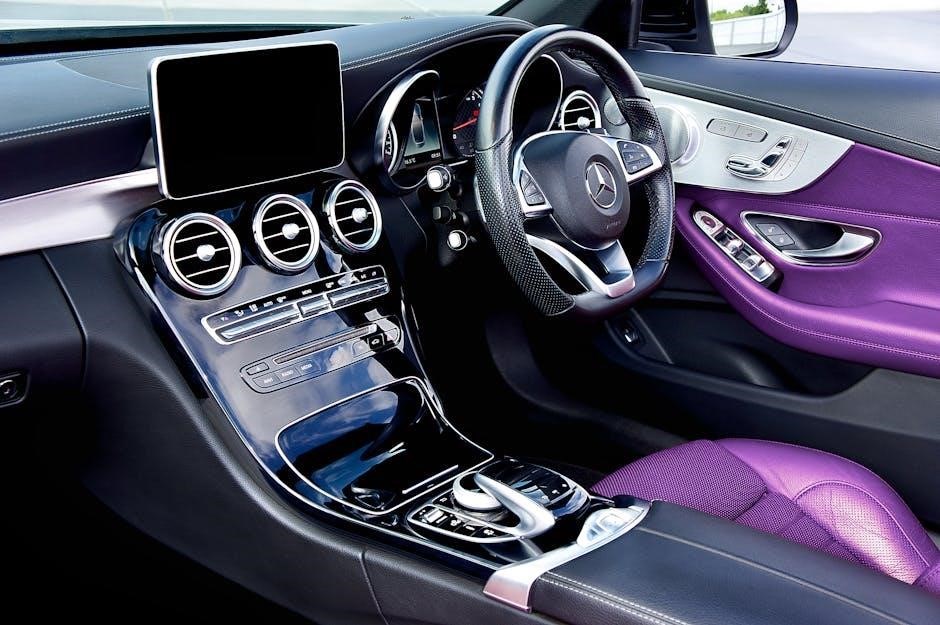
ESP and Speedometer Malfunctions
Sprinter owners sometimes encounter ESP malfunction warnings alongside speedometer issues, often appearing simultaneously. These problems may require workshop visits for diagnosis and potential repair solutions.
ESP Malfunction Warnings and Solutions
Experiencing an ESP malfunction warning on your Mercedes-Benz Sprinter can be concerning, often accompanied by a message prompting a workshop visit. Common causes include wheel speed sensor issues, low battery voltage, or problems within the ESP control unit itself. Addressing these requires diagnostic tools to pinpoint the exact fault.
Sometimes, a simple battery reset or checking wiring connections can resolve the issue. However, more complex problems may necessitate professional attention. Ignoring the warning could compromise vehicle stability, especially during challenging driving conditions. Online forums, like BenzWorld.org, offer valuable insights from other Sprinter owners facing similar challenges.
Addressing Speedometer Issues
Speedometer malfunctions in a Mercedes-Benz Sprinter can manifest as inaccurate readings or complete failure, often appearing alongside an ESP warning. Potential causes range from a faulty speedometer sensor or wiring to issues within the instrument cluster itself. Diagnostic tools are crucial for identifying the root cause, revealing specific fault codes.
Simple fixes might involve checking connections or replacing a damaged sensor. More complex scenarios could require instrument cluster repair or reprogramming. Online resources, such as BenzWorld.org, provide valuable troubleshooting tips from fellow Sprinter enthusiasts.
Fault Codes and Diagnostics
Diagnostic tools are essential for interpreting Sprinter fault codes, like B1000 and B1004, revealing issues within systems like headlamp range adjustment and lower control panels.
Accurate diagnosis streamlines repairs, ensuring efficient resolution of mechanical or electrical problems.
Common Sprinter Fault Codes (B1000, B1004)
Decoding Sprinter fault codes is crucial for effective repairs. Code B1000 indicates a low supply voltage to the Headlamp Range Adjustment (HRA) control unit, often stemming from undervoltage issues within the vehicle’s electrical system. Addressing voltage stability is key.
Conversely, B1004 points to a communication problem with the Lower Control Panel (LCP), suggesting a mismatch between the control unit and the vehicle’s configuration. This may require control unit replacement or reprogramming.
Proper diagnosis, utilizing diagnostic tools, is vital before attempting any repairs to avoid unnecessary component replacement.
Using Diagnostic Tools
Employing diagnostic tools is paramount when addressing issues with a manual Sprinter. These tools allow technicians to retrieve and interpret fault codes, like B1000 and B1004, pinpointing the source of the problem efficiently.
Beyond code reading, advanced scanners can access live data streams, monitoring sensor performance and system operation in real-time. This capability is invaluable for identifying intermittent faults or subtle performance degradations.
Investing in a quality diagnostic tool, or utilizing a qualified Mercedes-Benz service center, ensures accurate assessments and targeted repairs.

Augmented Reality HUD Features
Mercedes-Benz AR-HUD enhances driving with navigation prompts and safety features, projecting information onto the windshield for a more immersive experience.
This technology assists drivers in complex situations, promoting a safer and more comfortable ride, even within a manual Sprinter.
How AR-HUD Enhances Driving
The Augmented Reality Head-Up Display (AR-HUD) significantly improves the driving experience in a Mercedes-Benz Sprinter, even a manual transmission model, by projecting crucial information directly into the driver’s line of sight. This minimizes distractions, allowing the driver to maintain focus on the road ahead.
Specifically, AR-HUD displays dynamic navigation prompts, overlaying arrows and directions onto the real-world view. This is particularly helpful when navigating unfamiliar routes or complex intersections. Furthermore, safety features are integrated, providing alerts for potential hazards and assisting in decision-making during challenging driving conditions.
The system’s ability to assist drivers in complex situations contributes to a safer and more comfortable ride, enhancing overall situational awareness and reducing cognitive load;
Navigation Prompts and Safety Features
Mercedes-Benz’s AR-HUD delivers precise navigation prompts directly within the driver’s field of vision, even in a manually-driven Sprinter. These augmented reality overlays display clear, intuitive arrows and directional cues, simplifying route following and minimizing the need to glance at a separate navigation screen.

Beyond navigation, the system integrates vital safety features. It can highlight potential hazards, such as pedestrians or vehicles, and provide alerts for lane departure or forward collision warnings. This proactive approach enhances driver awareness and contributes to a safer driving experience, particularly beneficial for larger vehicles like the Sprinter.
Resources for Sprinter Owners
Sprinter owners benefit from platforms like BenzWorld.org, offering forums and information. Online parts suppliers and authorized Mercedes-Benz service centers provide support.
These resources aid in maintenance, troubleshooting, and understanding the nuances of a manual Sprinter.
BenzWorld.org Forum
BenzWorld.org stands as a premier online destination for Mercedes-Benz enthusiasts, and specifically, Sprinter owners navigating the world of manual transmissions. This expansive forum boasts the most comprehensive collection of Mercedes-Benz information available anywhere online, making it an invaluable resource.
Within the MB Forums section, Sprinter owners can connect, share experiences, and seek advice regarding their manual transmission vehicles. Discussions range from routine maintenance and troubleshooting common issues to performance enhancements and modifications. The site’s galleries showcase Sprinter builds, while its publications offer in-depth articles and guides. Whether you’re dealing with a challenging shift or seeking information on a rare option code, BenzWorld.org is likely to have the answer.
Online Parts Suppliers
Sourcing parts for a manual transmission Mercedes-Benz Sprinter often leads owners to explore various online suppliers. Maintaining a manual gearbox requires access to specific components, and several websites specialize in Sprinter parts.
These suppliers offer a wide range of items, from clutch kits and gearbox rebuild components to synchronizers and shift linkage parts. BenzWorld.org frequently features discussions about reputable suppliers, offering valuable insights from fellow Sprinter owners. When selecting a supplier, consider factors like parts quality, warranty options, and shipping costs to ensure a smooth and cost-effective repair or upgrade process.
Mercedes-Benz Service Centers
For specialized maintenance and repairs concerning a manual transmission Mercedes-Benz Sprinter, authorized Mercedes-Benz service centers remain a crucial resource. These centers employ technicians specifically trained on Sprinter vehicles, possessing the diagnostic tools and expertise to address complex issues.
While online forums like BenzWorld.org offer valuable DIY advice, certain repairs—particularly those involving the gearbox—are best left to professionals. Service centers can perform thorough inspections, clutch adjustments, and gearbox overhauls, ensuring the longevity and reliable operation of your Sprinter’s manual transmission.
Modifications and Upgrades
Enhancements for your manual Sprinter range from performance upgrades to interior comfort improvements, tailoring the vehicle to individual needs and preferences.
Exploring options allows owners to personalize their Sprinter, optimizing it for specific tasks or enhancing the overall driving experience.
Performance Enhancements
Optimizing a manual Sprinter’s performance involves several avenues for improvement, catering to diverse driving styles and operational demands. Common upgrades include ECU remapping, which adjusts engine parameters for increased horsepower and torque, enhancing acceleration and towing capacity.
Upgraded clutch kits are crucial for handling increased power, preventing slippage and ensuring smooth gear changes. Performance air filters improve engine breathing, while exhaust systems reduce backpressure, further boosting output.
Consider lightweight flywheel options to improve engine responsiveness. BenzWorld.org forums often discuss successful modifications and provide valuable insights from experienced Sprinter owners.
Interior Comfort Upgrades
Enhancing the interior of a manual Sprinter significantly improves the driving experience, particularly for long journeys or professional use. Upgrading the driver and passenger seats with ergonomic options provides superior support and reduces fatigue.
Sound deadening materials minimize road noise, creating a quieter cabin environment. Installing a modern infotainment system with navigation and smartphone integration adds convenience and entertainment.
Consider adding a comfortable auxiliary heater for colder climates. BenzWorld.org forums showcase various interior modifications, offering ideas and guidance from fellow Sprinter enthusiasts.

Future Updates and Fixes
Mercedes-Benz is actively addressing known issues with Sprinter models, including potential fixes for ESP malfunctions and speedometer inaccuracies, as reported in December 2024.
Temporary solutions are available while awaiting official updates, ensuring continued usability and driver satisfaction.
Mercedes-Benz Ongoing Fixes
Mercedes-Benz consistently works to refine its vehicles, and the Sprinter is no exception. Reports from August 2023 indicate ongoing efforts to resolve issues, particularly concerning the ESP system and speedometer functionality. These problems, often manifesting as warning messages requiring workshop visits, are being actively investigated.
The company acknowledged a temporary process to mitigate these concerns until a permanent solution is implemented, likely around February 2013, demonstrating a commitment to owner satisfaction. These fixes aim to enhance the overall driving experience and reliability of the manual Sprinter, addressing both hardware and software components as needed.
Temporary Solutions for Known Issues
While awaiting permanent fixes from Mercedes-Benz, Sprinter owners experiencing ESP malfunctions or speedometer inaccuracies have explored temporary workarounds. As of August 2023, a quick process was identified to alleviate these issues until official solutions are deployed, potentially around February 2013.
These solutions often involve resetting systems or specific component checks, offering a short-term improvement in functionality. However, it’s crucial to remember these are not replacements for proper repairs and should be implemented cautiously, prioritizing safety and consulting qualified technicians when possible.