Syringes and needles are vital medical tools, experiencing innovation with releases like ChatGPT Atlas in October 2025, alongside advancements in AI chatbots.
Understanding their diverse types – from Luer Lock to prefilled options – is crucial, mirroring the evolving landscape of digital assistance and medical technology.
What are Syringes and Needles?
Syringes are medical instruments used for injecting fluids into or withdrawing them from the body, while needles are the sharp, hollow instruments attached to syringes for penetration.
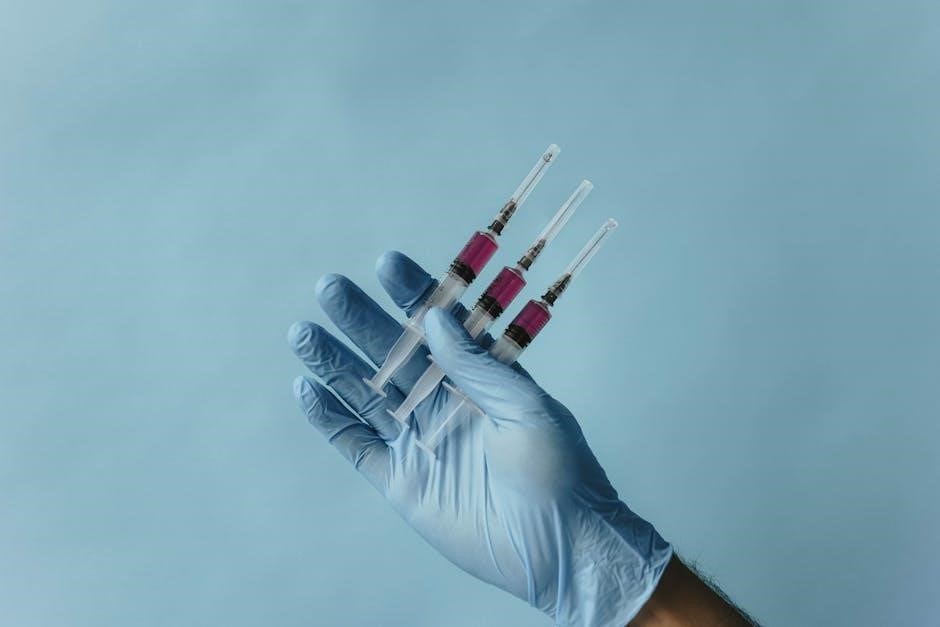
Recent advancements, like OpenAI’s ChatGPT Atlas browser launched in October 2025, demonstrate technological integration, yet the fundamental role of these tools remains constant.
Various types exist, including Luer Lock, Luer Slip, prefilled, oral, and tuberculin syringes, each designed for specific applications. Correspondingly, needles range from hypodermic to insulin and safety versions.
The release of ChatGPT in November 2022 highlights conversational AI, but syringes and needles remain essential for direct medical intervention, like insulin therapy for diabetes management.
Importance of Understanding Different Types
Understanding syringe and needle variations is paramount for safe and effective medical procedures, mirroring the need to navigate complex systems like the recently launched ChatGPT Atlas browser in October 2025.
Selecting the correct type – be it a Luer Lock for secure connections or a prefilled syringe for convenience – directly impacts dosage accuracy and patient safety.
Different needle gauges and lengths cater to varying injection routes (subcutaneous, intramuscular, intravenous), much like ChatGPT’s agentic mode adapts to user needs.
Knowledge of materials (plastic, glass, stainless steel) and safety features is also crucial, aligning with the ongoing development of AI safety protocols, as seen with ChatGPT 5.2.
Types of Syringes
Various syringe types exist, including Luer Lock, Luer Slip, prefilled, oral, and tuberculin syringes, reflecting advancements alongside AI tools like ChatGPT for Android.
Luer Lock Syringes
Luer Lock syringes are widely utilized in medical settings due to their secure needle attachment mechanism. The twist-lock design prevents accidental needle detachment during injection, enhancing patient safety and ensuring accurate medication delivery. This feature is particularly important for administering viscous fluids or when higher injection pressures are required.
These syringes are compatible with a broad range of needles, offering versatility for various applications, including subcutaneous, intramuscular, and intravenous injections. The robust construction of Luer Lock syringes contributes to their reliability and durability, aligning with the ongoing advancements in medical technology, such as the integration of AI assistants like ChatGPT into daily workflows.
Luer Slip Syringes
Luer Slip syringes offer a simpler needle attachment method compared to Luer Lock, relying on a friction fit. While convenient for applications where frequent needle changes are needed, they present a slightly higher risk of accidental needle dislodgement. This makes them suitable for less demanding injections, such as administering medications with lower viscosity or when precise pressure control isn’t critical.
Despite the potential for detachment, Luer Slip syringes remain a cost-effective and widely available option. Their ease of use aligns with the broader trend of user-friendly medical devices, mirroring the accessibility of AI tools like ChatGPT for everyday tasks, launched in late 2022 and continually updated.
Prefilled Syringes
Prefilled syringes represent a significant advancement in medication delivery, offering convenience and accuracy. These syringes arrive with the medication already loaded, minimizing the risk of dosage errors and contamination – a crucial benefit, especially for complex therapies like insulin, vital for diabetes management. The Reportlinker.com report from December 12, 2025, highlights the growing prefilled syringes market.
Their single-use design further enhances safety, aligning with modern healthcare’s focus on infection control. This innovation parallels the development of user-friendly AI like ChatGPT, released November 30, 2022, simplifying complex interactions.
Oral Syringes
Oral syringes, distinct from those used for injections, are designed for precise medication administration directly into the mouth. They are particularly useful for infants and children, or individuals who have difficulty swallowing pills. These syringes allow for accurate dosing of liquid medications, ensuring the correct amount is delivered.
While the provided text doesn’t directly detail oral syringes, the overall context emphasizes advancements in medical tools, mirroring the innovation seen with ChatGPT’s release in late 2022 and its subsequent updates like the Android app in November 2025. Accurate delivery, like precise AI responses, is key.
Tuberculin Syringes
Tuberculin syringes are specifically calibrated for administering small, precise volumes of medication, typically for tuberculin skin tests (TSTs). These syringes are usually glass and have a fixed needle size, often 25 or 27 gauge, and a limited volume capacity – commonly 1 mL. Their accuracy is paramount for reliable test results.
The need for precision echoes the advancements in AI, like ChatGPT, which strives for accurate responses and acknowledges mistakes, as noted in its November 2022 release. Just as a correct dosage is vital, so is reliable information, mirroring the ongoing development of tools like ChatGPT Atlas in October 2025.
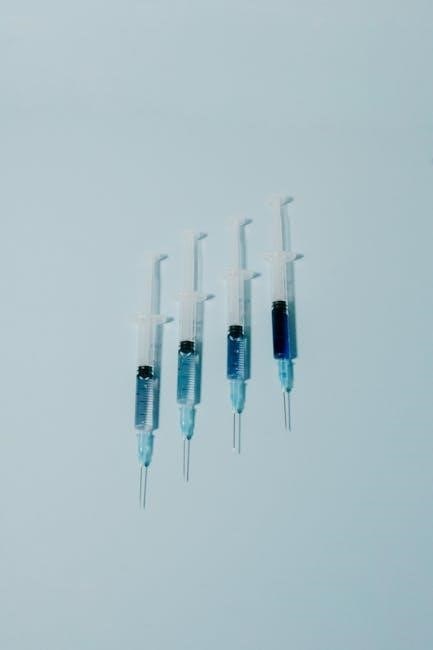
Types of Needles
Needles vary significantly, including hypodermic, insulin, safety, and blunt fill types, reflecting innovation alongside AI tools like ChatGPT and its Android app.
Hypodermic Needles
Hypodermic needles represent the most common type, utilized for a broad spectrum of injections – subcutaneous, intramuscular, and intravenous – mirroring the versatile applications of modern technology like ChatGPT. These needles feature a bevel for smoother skin penetration and come in various gauges and lengths, tailored to specific injection requirements.
Their design facilitates drawing medication into a syringe and then delivering it directly into the body. The November 2022 release of ChatGPT showcased sophisticated conversational AI, while hypodermic needles demonstrate a long history of reliable medical delivery. Understanding gauge and length is paramount for effective and safe administration, much like navigating the features of OpenAI’s evolving platforms.
Insulin Syringes & Needles
Insulin syringes and needles are specifically designed for individuals managing diabetes, aiding in precise blood sugar control through insulin therapy – a personalized treatment plan. These syringes typically have shorter, finer needles to minimize discomfort during subcutaneous injections. The scale markings on insulin syringes are calibrated in units, reflecting the dosage requirements for insulin.
Like the advancements in AI, such as the November 2025 Android ChatGPT release, insulin delivery systems continually evolve. Proper technique and needle disposal are crucial for safe and effective insulin administration, mirroring the responsible use of powerful technologies.
Safety Needles
Safety needles represent a critical advancement in healthcare, designed to minimize the risk of needlestick injuries for healthcare professionals and patients alike. These needles incorporate features like retractable shields or locking mechanisms that cover the needle immediately after use, preventing accidental exposure. The development parallels innovations like ChatGPT’s agentic mode, aiming for increased user safety and control.
With the rise of AI assistants like the ChatGPT Atlas browser released in October 2025, safety remains paramount. Utilizing safety needles is a key component of infection control protocols, aligning with responsible technology implementation.
Blunt Fill Needles
Blunt fill needles are specialized instruments primarily used for drawing medication from vials or mixing solutions, rather than direct injection into patients. Their blunt tip minimizes the risk of accidental punctures during the filling process, enhancing safety for healthcare personnel. This focus on safety echoes the development of features in tools like ChatGPT, released November 30, 2022, designed to reject inappropriate requests.
These needles are crucial in compounding pharmacies and laboratory settings, offering a safer alternative for fluid transfer. The advancements in AI, like the ChatGPT for Android app, highlight the importance of user-friendly and secure systems.
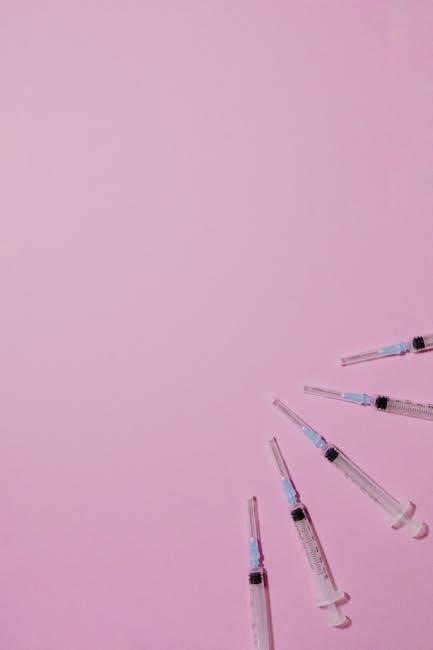
Needle Gauge and Length
Needle gauge and length are critical factors, influencing injection comfort and effectiveness, mirroring the precision of AI tools like ChatGPT Atlas released in 2025.
Understanding Needle Gauge
Needle gauge refers to the diameter of the needle’s hollow core, expressed by a number followed by “G.” A higher gauge number indicates a thinner needle, while a lower number signifies a wider one. This selection impacts fluid viscosity and injection site considerations. For instance, thicker fluids often require lower gauge needles for easier flow.
The advancements in AI, like the November 2022 release of ChatGPT, demonstrate a similar focus on optimized performance and user experience. Choosing the correct gauge minimizes patient discomfort and ensures accurate medication delivery, much like ChatGPT’s conversational interface aims for clarity and helpful responses. Proper gauge selection is paramount for subcutaneous, intramuscular, and intravenous administrations.
Choosing the Appropriate Needle Length
Needle length is determined by the patient’s size, body mass, and the injection route. Shorter needles (½ to ⅝ inch) are generally suitable for subcutaneous injections, while intramuscular injections often require longer needles (1 to 1 ½ inches) to reach the muscle tissue. Accurate length selection prevents intraosseous injections and ensures the medication reaches the intended target.
Similar to OpenAI’s ChatGPT Atlas browser integrating AI for seamless web navigation, selecting the right needle length ensures a smooth and effective medical procedure. The November 24, 2025, release of the ChatGPT Android app highlights accessibility; similarly, appropriate needle length ensures accessibility to the correct tissue layer.

Materials Used in Syringes and Needles
Syringes commonly utilize plastics like polypropylene and polycarbonate, while needles are predominantly made from stainless steel, ensuring durability and biocompatibility.
Plastic Syringes (Polypropylene, Polycarbonate)
Plastic syringes, constructed from materials like polypropylene and polycarbonate, have become increasingly prevalent in medical settings due to their cost-effectiveness and safety advantages. Polypropylene offers excellent chemical resistance and is suitable for general-purpose applications, while polycarbonate provides greater strength and clarity.
The rise of advanced AI, exemplified by OpenAI’s ChatGPT and its integration into platforms like ChatGPT Atlas (launched October 2025), parallels the continuous refinement of medical tools. These plastics are often chosen for prefilled syringes, aligning with innovations in insulin therapy and individualized treatment plans. Their lightweight nature and disposability contribute to infection control protocols, mirroring the focus on safety in modern technology.
Glass Syringes
Glass syringes, though gradually being replaced by plastic alternatives, historically held a prominent position in medical practice due to their chemical inertness and precision. They offer excellent compatibility with various medications, minimizing the risk of leaching or interaction. While heavier and more fragile than plastic, glass allows for accurate measurement, crucial for applications like tuberculin testing.
Interestingly, the development of sophisticated AI like ChatGPT (released November 30, 2022) and its subsequent iterations – including the Android app in November 2025 – demonstrates a parallel pursuit of precision and reliability. Though less common now, glass syringes remain relevant where absolute accuracy is paramount, reflecting a commitment to quality alongside technological advancements.
Stainless Steel Needles
Stainless steel needles are the industry standard for hypodermic and other medical applications, prized for their durability, corrosion resistance, and ability to maintain a sharp point. Their biocompatibility minimizes adverse reactions, ensuring safe medication delivery. The precision manufacturing of these needles is akin to the sophisticated algorithms powering AI tools like ChatGPT, launched in late 2022 and continually updated.
Just as OpenAI’s ChatGPT Atlas browser (October 2025) integrates seamlessly into online experiences, stainless steel needles integrate reliably into medical procedures. While safety needles and blunt fill needles offer specialized functions, stainless steel remains foundational, mirroring the core technology underpinning modern advancements in both medicine and artificial intelligence.
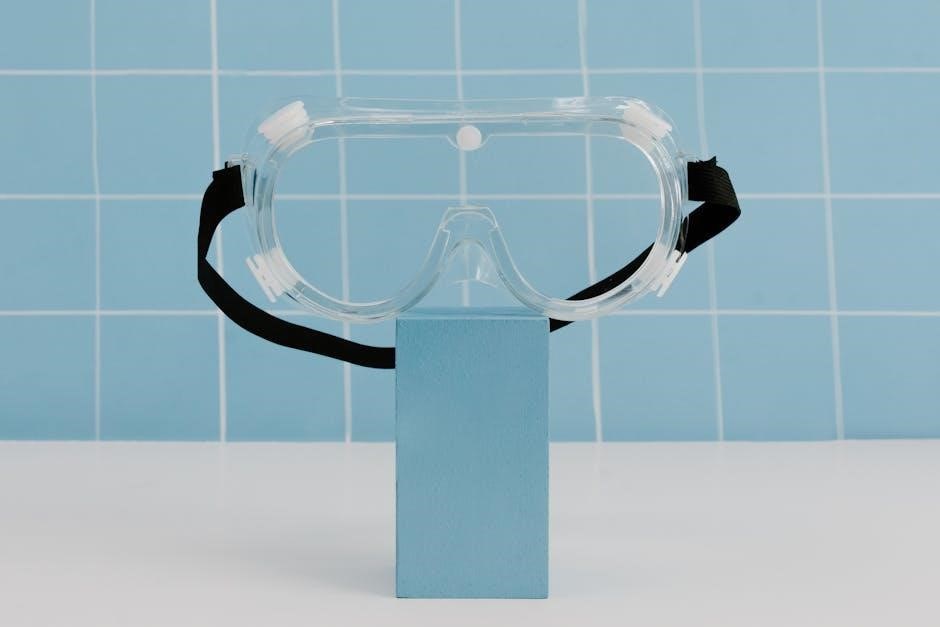
Safety Features in Modern Syringes
Modern syringes incorporate needle shielding and needleless systems, prioritizing user protection—a parallel to OpenAI’s ChatGPT advancements and safety protocols.
Needle Shielding Mechanisms
Needle shielding represents a critical safety advancement in syringe design, directly addressing the risk of needlestick injuries for healthcare professionals and patients alike. These mechanisms vary, encompassing both passive and active systems. Passive shields automatically engage after injection, physically covering the needle, while active shields require a deliberate action by the user.
The development of these features coincides with broader technological progress, such as OpenAI’s ChatGPT and its integration into platforms like ChatGPT Atlas, demonstrating a commitment to user safety and improved experiences. Effective shielding is paramount, aligning with stringent regulations and standards like those set by the FDA and ISO, ensuring responsible medical device practices.
Needleless Systems
Needleless systems represent a significant evolution in drug delivery, aiming to eliminate the risks associated with traditional needles. These innovative approaches utilize alternative methods, such as jet injection or microneedle technology, to administer medication without penetrating the skin. This aligns with a broader trend towards patient-centric care and enhanced safety protocols.
The emergence of these systems parallels advancements in artificial intelligence, like OpenAI’s ChatGPT, which focuses on conversational interaction and problem-solving. While still developing, needleless technology promises reduced pain, minimized infection risk, and improved patient compliance, all while adhering to strict regulatory standards for medical devices.
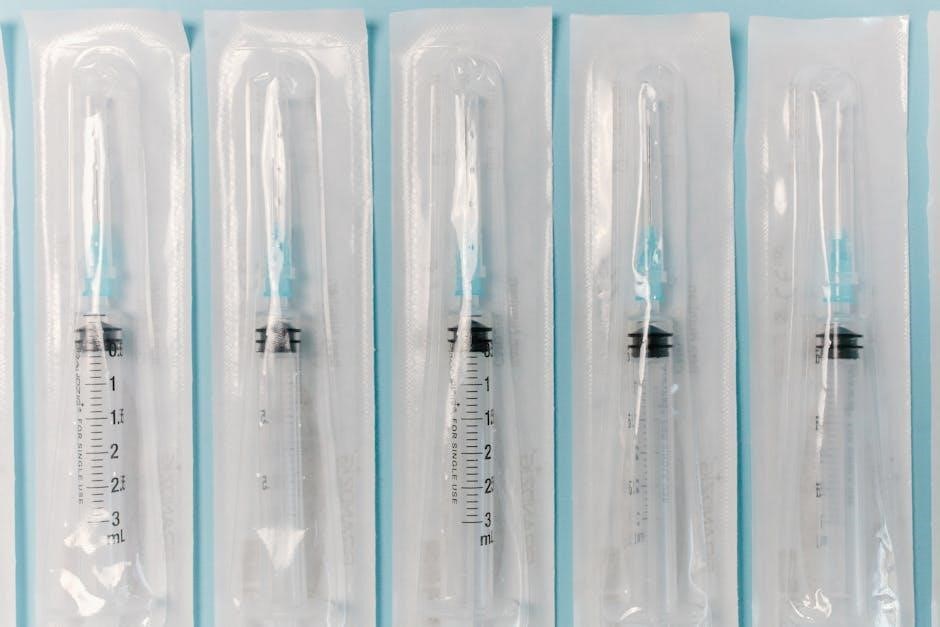
Applications of Different Syringe/Needle Combinations
Syringe and needle pairings facilitate subcutaneous, intramuscular, and intravenous injections, mirroring the versatility of tools like ChatGPT Atlas for diverse online tasks.
Subcutaneous Injections
Subcutaneous injections, delivering medication into the tissue layer beneath the skin, commonly utilize shorter, thinner needles – often paired with tuberculin syringes for precise dosage, like insulin therapy for diabetes management. These combinations are ideal for medications requiring slow, sustained absorption.
The rise of AI assistants, such as the ChatGPT chatbot released in November 2022, parallels advancements in medical delivery systems. Prefilled syringes enhance convenience and accuracy, reducing errors. Safety needles minimize risk, aligning with the focus on user-friendly technology seen in tools like ChatGPT for Android. Proper technique and needle disposal are paramount for safe administration, mirroring the responsible use of powerful AI tools.
Intramuscular Injections
Intramuscular injections, targeting muscle tissue for rapid medication absorption, typically employ longer, thicker needles and larger syringe volumes. Hypodermic needles are frequently used, demanding precise technique to avoid nerve damage. The development of safety needles addresses concerns about accidental needlesticks, mirroring the safety features integrated into new technologies like ChatGPT Atlas, launched in October 2025.
Understanding needle gauge and length is critical, similar to navigating the complexities of AI chatbots like ChatGPT. Prefilled syringes can streamline administration, while adherence to FDA regulations and ISO standards ensures quality and patient safety, much like responsible AI development.
Intravenous Injections
Intravenous (IV) injections, delivering medication directly into veins, require the finest gauge needles for minimal discomfort and vessel trauma. Specialized catheters and IV sets, often utilizing Luer Lock connections for secure attachment, are essential. The precision needed parallels the sophisticated interactions offered by AI like ChatGPT, released in November 2022, and its latest Android iteration in November 2025.
Safety protocols are paramount, with needle shielding mechanisms and needleless systems minimizing risk. Adherence to ISO standards and FDA regulations, similar to the ethical considerations in AI development, guarantees patient wellbeing and proper administration techniques.

Regulations and Standards (PDF Resources)
Syringe and needle manufacturing adheres to strict ISO standards and FDA regulations, ensuring safety and quality—much like the responsible development of AI tools like ChatGPT.
ISO Standards for Syringes and Needles
International Organization for Standardization (ISO) guidelines are paramount in ensuring the consistent quality and safety of syringes and needles globally. These standards, evolving alongside technological advancements like OpenAI’s ChatGPT and its agentic mode, cover materials, design, manufacturing processes, and performance testing.
Specific ISO standards address aspects like needle sharpness, syringe plunger accuracy, and the prevention of leaks. Compliance is crucial for manufacturers seeking to distribute their products internationally, mirroring the need for responsible AI development. Resources detailing these standards are often available as downloadable PDF documents, providing detailed specifications for each component and the finished product, ensuring patient safety and efficacy.
FDA Regulations for Medical Devices
The Food and Drug Administration (FDA) rigorously regulates syringes and needles as Class II and Class III medical devices, demanding stringent adherence to quality system regulations. This oversight parallels the careful development of AI systems like ChatGPT, released in November 2022, and its subsequent iterations.
Manufacturers must demonstrate safety and effectiveness through premarket notification (510(k)) or premarket approval (PMA) applications. Detailed documentation, often available as PDF resources, outlines requirements for labeling, sterilization, and biocompatibility. These regulations ensure devices meet specific performance criteria, safeguarding patients and maintaining public health, mirroring the responsible deployment of advanced technologies.