Ball pythons exhibit diverse morphs – unique color and pattern variations – making them popular pets. These morphs arise from genetic mutations, offering enthusiasts a wide array of choices.
Ball python morphs represent fascinating genetic variations within Python regius, captivating reptile enthusiasts globally. Originally bred for unique aesthetics, these morphs now provide valuable insights into reptile coloration genetics. From the vibrant Lemon Blast to the striking Black Pastel, each morph offers distinct patterns and hues.
Understanding these morphs requires knowledge of dominant, recessive, and co-dominant inheritance patterns, allowing breeders to predict offspring traits and expand the diversity of available morphs.
Understanding Ball Python Genetics
Ball python morphs are products of genetic mutations affecting coloration and pattern. Dominant morphs express their trait with just one copy of the gene, while recessive morphs require two copies. Co-dominant morphs display a blended expression when paired.
Understanding these inheritance patterns – homozygous versus heterozygous – is crucial for predicting offspring and creating complex combinations.
Dominant Morphs
Dominant morphs, like Black Pastel and Banana, require only one gene copy for expression. Black Pastel exhibits dark brown coloration with golden patterns, while Banana displays bright yellow patterns. These traits consistently appear in offspring when inherited from a parent.
Albino is also dominant, resulting in a lack of dark pigment.
Albino Morph
Albino ball pythons lack melanin, resulting in a striking white or yellow appearance with red or orange eyes. This dominant morph is visually captivating, though sensitive to bright light. Breeding two albinos can produce super albinos, intensifying the coloration.
It’s a highly sought-after genetic trait.
Black Pastel Morph
Black Pastel ball pythons, first bred in 2002, are known for their dark brown base color and warm, rust or golden-yellow patterning. This dominant morph often exhibits a “glow” effect, enhancing the contrast. They are visually striking and popular among breeders and keepers alike.
It’s a unique color variation.
Banana Morph
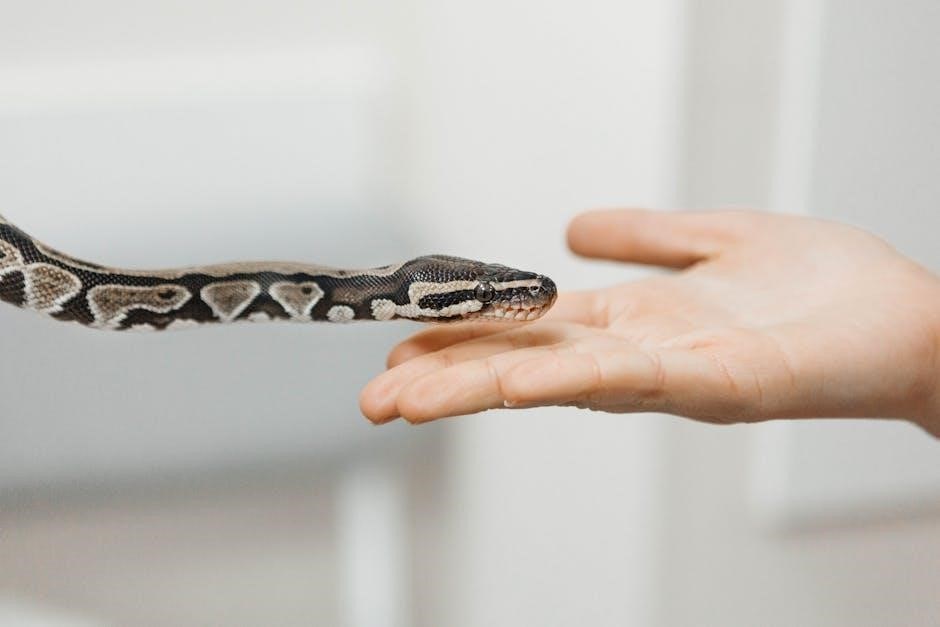
The Banana morph is a dominant genetic trait in ball pythons, characterized by a bright yellow coloration. This vibrant hue often extends throughout the snake’s body, creating a visually striking appearance. Patterns can vary, but the intense yellow is the defining feature of this popular morph.
They are a beautiful color.
Recessive Morphs
Recessive morphs require a ball python to inherit two copies of the mutated gene – one from each parent – to express the trait. These morphs often display dramatic color and pattern changes. Examples include Piebald, Spider, and Lavender Albino, each offering unique aesthetics.
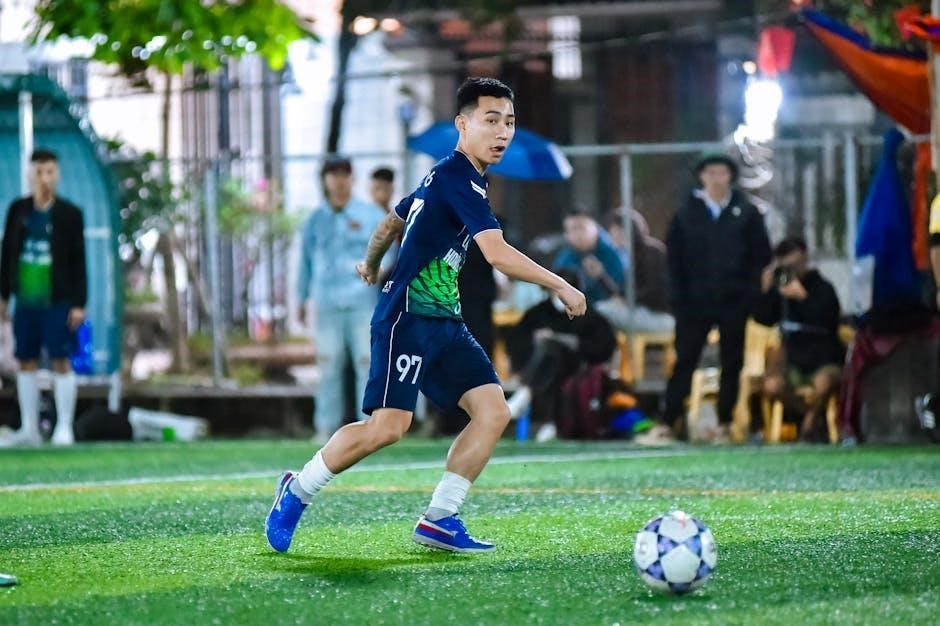
Breeding recessive morphs can be complex.
Piebald Morph
Piebald ball pythons are characterized by patches of white or reduced pigmentation against their normal coloration. This striking pattern results from a recessive gene affecting melanin distribution. The amount of white varies greatly, creating uniquely patterned snakes.
Piebald expressions range from minimal spotting to almost entirely white individuals.
Spider Morph
Spider ball pythons are known for their intricate, web-like patterns, but also a controversial neurological issue. The gene causes a “wobbly” head and unpredictable behavior in some snakes. This is due to neurological impacts, causing concern among breeders.
Responsible breeding practices are crucial with this morph.
Lavender Albino Morph
Lavender Albino ball pythons are a recessive morph resulting from combining the Lavender and Albino genes. They display a pale, lavender-colored base with bright yellow patterns. This creates a striking, pastel appearance, highly sought after by collectors.
They require careful breeding to maintain quality.
Co-Dominant Morphs
Co-dominant morphs express their traits when a snake possesses one or two copies of the gene. Unlike recessive traits, a single copy is visible. Lemon Blast and Mojave are prime examples, significantly altering the snake’s appearance.
Heterozygous and homozygous forms differ visibly.
Lemon Blast Morph
Lemon Blast morphs, developed in 2003, are renowned for their vibrant, yellow coloration and striking pattern. These snakes often display a bright, almost neon-like appearance, making them highly sought after. The gene is co-dominant, meaning one copy visibly alters the snake’s look.

They are truly unique!
Mojave Morph
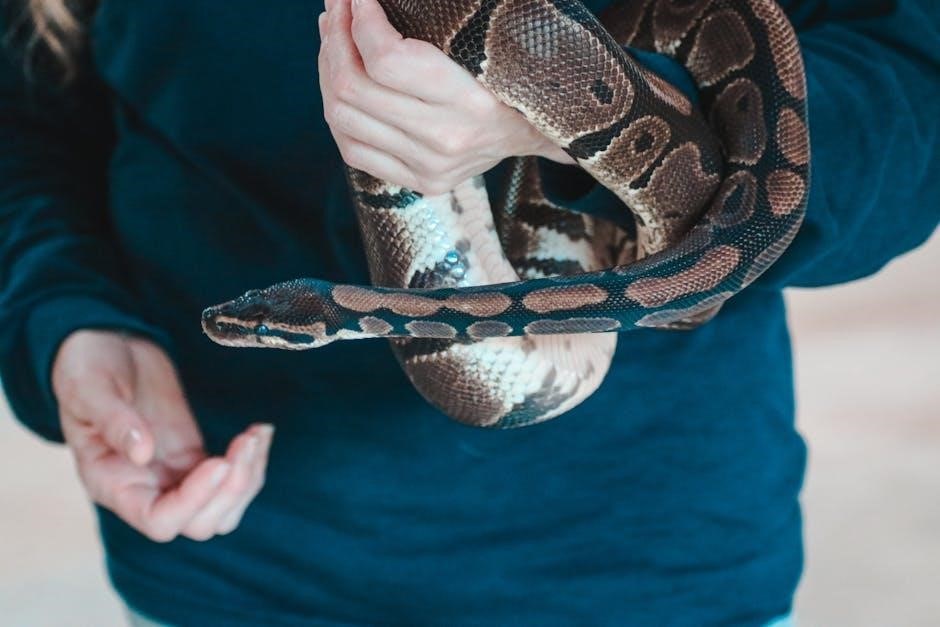
Mojave morphs are co-dominant, resulting in significant visual changes even with just one copy of the gene. They typically exhibit a bright, contrasting pattern against a lighter background, often with reduced dark pigment. This creates a striking, almost “bleached” appearance.
Mojaves are popular for breeding combinations.
Complex Morphs (Combinations)
Complex morphs arise from breeding two or more different morphs together, creating stunning and often unpredictable combinations. These pairings can amplify desirable traits or introduce entirely new patterns and colors. Spider Mojave and Desert Ghost are prime examples, showcasing intricate designs.
Breeders continually explore new combinations.
Spider Mojave Morph
The Spider Mojave morph is a captivating combination, known for its striking pattern and reduced webbing. It blends the “busy” look of the Spider morph with the bright, clean appearance of Mojave. However, the Spider lineage carries a potential for neurological issues, requiring careful breeding practices.
Responsible breeding is crucial for this morph.
Desert Ghost Morph
The Desert Ghost morph is a visually stunning combination, resulting from breeding a Spider and a Mojave. It typically displays a faded, almost ethereal appearance with reduced pattern elements. Like Spider morphs, Desert Ghosts can exhibit neurological concerns, demanding diligent breeding and monitoring for potential issues.
Careful observation is key.
Morphs Based on Pattern
Pattern-based morphs focus on alterations to the snake’s natural markings, rather than solely color changes. Enchi morphs exhibit a busy, fragmented pattern, while Pied morphs display patches of white, resembling socks or stockings. These variations create unique aesthetics, appealing to collectors seeking distinct visual traits.
Enchi Morph
Enchi ball pythons are known for their incredibly busy and fragmented patterns, creating a visually striking appearance. The name “Enchi” comes from “enhanced,” reflecting the intensified markings. These snakes often display a complex network of dark lines and blotches, offering a unique aesthetic for reptile enthusiasts.
Pied Morph
Pied ball pythons, short for “piebald,” are characterized by patches of white coloration alongside their typical patterns. The amount of white varies greatly, ranging from small speckles to almost entirely white snakes. This striking morph results from a recessive gene, making fully pied specimens highly sought after by collectors.
Resources for Identifying Morphs
Identifying ball python morphs can be complex! Online resources like World of Ball Pythons and morph databases offer extensive galleries and genetic calculators. Reptile forums and breeder websites provide valuable community knowledge. Careful observation of pattern, color, and scale characteristics is crucial for accurate identification.
Ball pythons display incredible morphs – color and pattern variations – due to genetic mutations. This guide explores these fascinating variations for reptile enthusiasts.
Ball pythons (Python regius) are renowned for their stunning array of morphs, which are visually distinct variations in color and pattern. These differences aren’t natural wild variations, but rather the result of selective breeding and genetic mutations.
Initially, wild-type ball pythons exhibit brown coloration with dark blotches. However, dedicated breeders have unlocked a spectrum of morphs, including albinos, piebalds, and banana variations, creating a captivating hobby for reptile keepers and genetic enthusiasts alike.
Ball python morphs are governed by relatively simple genetics, categorized into dominant, recessive, and co-dominant inheritance patterns. Dominant genes express their trait with just one copy, while recessive genes require two copies for visible expression.
Co-dominant genes display a blended phenotype when paired. Understanding these patterns is crucial for predicting offspring traits when breeding different morphs, allowing breeders to create complex and desirable combinations.
Dominant morphs, like the Black Pastel, showcase their traits with only one copy of the gene. These morphs often exhibit altered patterns or coloration. The Banana morph is another example, known for its bright yellow coloration and pattern breaks.
Breeding a snake with a dominant morph has a high probability of passing the trait to its offspring, making them popular choices for introducing new characteristics.
Albino ball pythons lack dark pigment, resulting in a striking white or yellow appearance with red eyes. This morph is a classic and highly sought-after variation. The absence of melanin creates a beautiful, yet sensitive, snake.
Albino snakes often require extra care due to increased sensitivity to light. They are a testament to the fascinating genetic diversity within ball python morphs.
Black Pastel ball pythons, first bred in 2002, are known for their dark brown base color and warm, rust or golden-yellow patterning. This morph intensifies the existing colors, creating a visually striking contrast.
They often exhibit a “glow” effect, enhancing their overall appearance. Black Pastel is a popular choice for breeding projects, contributing to many complex morph combinations.
Banana ball pythons are easily recognized by their bright yellow coloration, often described as resembling a ripe banana. This morph typically features a pattern of darker spots or bars across the yellow background, creating a vibrant contrast.
Banana morphs are known for their consistent expression, making them a reliable choice for breeders and enthusiasts seeking a visually striking snake.
Recessive morphs require a ball python to inherit two copies of the mutated gene – one from each parent – to express the trait. These morphs often result in significant color or pattern changes, like the Piebald and Lavender Albino.
Breeding for recessive morphs demands careful planning, as heterozygous individuals (carrying one copy) won’t display the morph themselves.
Piebald ball pythons are characterized by patches of white or reduced pigmentation against their normal coloration. This striking morph results from a recessive gene causing incomplete melanin distribution.
The amount of white patterning varies greatly, ranging from small speckles to almost entirely white snakes. Piebald expressions are highly sought after due to their unique and unpredictable patterns.
Spider ball pythons are known for their intricate, web-like patterns, but also a controversial history; This morph, while visually appealing, is linked to a neurological issue called “wobble,” affecting coordination.
The Spider gene is recessive, and affected snakes may exhibit head tremors and difficulty righting themselves. Ethical concerns surround breeding for this morph due to welfare implications.
Lavender Albino ball pythons are a beautiful recessive morph, resulting from combining the Lavender and Albino genes. They display a pale, lavender-colored base with bright yellow patterns, creating a striking appearance.
These snakes often have reduced pattern intensity compared to other morphs. Breeders carefully work to maintain the health and vibrancy of this sought-after combination, prized for its unique coloration.
Co-dominant morphs exhibit unique expression when paired with themselves or other genes. Unlike recessive traits, a single copy visibly alters the snake’s appearance. Lemon Blast and Mojave are prime examples, significantly impacting color and pattern.

Heterozygous individuals (one copy of the gene) display a distinct look, while homozygous individuals (two copies) often show an intensified effect.
Lemon Blast ball pythons, developed in 2003, are renowned for their vibrant, yellow coloration and striking pattern. This morph significantly brightens the snake, often displaying a creamy or pastel yellow base.
When combined with other morphs, Lemon Blast intensifies their colors, creating visually stunning combinations. They are highly sought after due to their unique and appealing aesthetics.
The Mojave morph is a co-dominant genetic trait in ball pythons, known for its dramatic reduction in pattern and often a brighter, cleaner appearance. It typically presents with a pale yellow or cream base color.
Heterozygous Mojave ball pythons exhibit a reduced pattern, while homozygous individuals display an even more striking, almost spotless look, making them highly desirable among breeders and keepers.
Complex morphs result from breeding two or more different morphs together, creating stunning and often unpredictable combinations. These pairings leverage multiple genetic traits for unique aesthetics.
Breeders skillfully combine genes to enhance desirable characteristics or introduce entirely new patterns and colors. Spider Mojave and Desert Ghost are prime examples, showcasing the potential of complex genetic interactions.
The Spider Mojave morph is a captivating combination, blending the striking web-like patterns of the Spider morph with the bright, reduced patterning of the Mojave. This pairing often results in exceptionally clean and vibrant snakes.
However, it’s crucial to note that the Spider gene can sometimes cause neurological issues, so responsible breeding and careful observation are essential when working with this complex morph.
The Desert Ghost morph is a visually stunning combination, typically created by breeding a Spider with a Mojave. This results in a snake with significantly reduced pattern and coloration, often appearing very pale or “ghostly” in appearance.
Like Spider morphs, Desert Ghosts can sometimes exhibit neurological concerns, demanding careful breeding practices and attentive monitoring of the animal’s health and behavior.
Pattern morphs in ball pythons primarily alter the arrangement and expression of markings, rather than overall color. Enchi and Pied are prime examples, showcasing unique alterations to the typical ball python pattern.
These morphs can range from subtle changes to dramatically reduced or fragmented patterns, creating visually striking and diverse appearances within the species.
The Enchi morph, short for “enhanced,” is characterized by a striking, busy pattern with fragmented, almost floral-like markings. These patterns often appear “blurred” or incomplete, creating a unique and desirable aesthetic.
Enchi ball pythons generally exhibit increased contrast and brightness, making their patterns particularly eye-catching and distinct from wild-type coloration.
The Pied morph, derived from the French word for “foot,” displays patches of white coloration alongside the typical ball python pattern. The amount of white varies greatly, ranging from small speckles to almost entirely white snakes.
Pied ball pythons are highly sought after, with those exhibiting a high percentage of white commanding premium prices due to their unique and visually striking appearance.
Resources for Identifying Morphs
MorphMarket is a leading online resource, offering an extensive database of ball python morphs with detailed descriptions and images. World of Ball Pythons provides a community forum for enthusiasts to share knowledge and identify morphs.
Reputable breeders and dedicated websites also offer valuable information. Careful research and comparison are crucial for accurate morph identification.