Splendide 2100Xc Manual: A Comprehensive Guide
This manual expertly guides users through the Splendide 2100Xc, offering detailed instructions and support for optimal performance and longevity of your appliance.
Splendide International, established in Berlin since 2003, revolutionizes model booking with advanced communication and precision, ensuring a splendid user experience.
Welcome! This section introduces the Splendide 2100Xc, a compact and efficient washer and dryer combination designed for convenience and performance. Established in Berlin since 2003, Splendide International prioritizes innovative solutions, reflected in this appliance’s advanced features.
The 2100Xc is engineered to revolutionize laundry routines, offering a blend of washing and drying capabilities in a single unit. Its design caters to various needs, from small apartments to recreational vehicles. This manual serves as your comprehensive guide, ensuring you maximize the appliance’s potential.
Understanding the origins of the name “splendide,” meaning brilliant or magnificent, hints at the quality and performance you can expect. Prepare to experience a truly splendid laundry solution!
Understanding the Key Features
The Splendide 2100Xc boasts several key features designed for optimal laundry care. Its combined washer and dryer functionality saves space and simplifies chores. Advanced communication structures, a hallmark of Splendide International, are reflected in the intuitive control panel.
This appliance offers multiple wash cycles, temperature adjustments, and spin speed control, allowing for customized cleaning. The delay start function provides added convenience, scheduling cycles to fit your lifestyle. The machine’s compact dimensions make it ideal for smaller living spaces.
The “splendide” quality, meaning magnificent, extends to its durable construction and energy-efficient operation. Expect a reliable and high-performing appliance designed to deliver consistently excellent results.

Installation and Setup
Proper installation is crucial for optimal Splendide 2100Xc performance. Ensure secure water connections, correct electrical requirements, and adherence to all safety guidelines.
Unpacking and Initial Inspection
Carefully unpack your Splendide 2100Xc washing machine, retaining all original packaging materials until you’ve confirmed complete functionality. Thoroughly inspect the unit for any visible signs of shipping damage – dents, scratches, or broken components. Document any damage immediately with photographs and contact your retailer or Splendide International directly.
Verify that all included accessories are present: the drain hose, inlet hoses, and this comprehensive user manual. Ensure the machine is free of any internal packing materials, often found securing the drum during transit. A visual check of the interior drum and detergent dispenser is essential before initial use. Splendide’s commitment to quality demands a pristine product, so report any discrepancies promptly.
Water Connections and Drainage
Proper water connections are crucial for Splendide 2100Xc operation. Connect the inlet hoses to both the hot and cold water supply, ensuring a secure, leak-proof fit. Use Teflon tape on threaded connections to prevent drips. The drain hose must be positioned correctly to facilitate proper water drainage, preventing backflow and potential damage.
Ensure the drain hose is securely inserted into a standpipe or laundry tub, maintaining the recommended height specified in this manual. Avoid kinks or obstructions in the drain hose. Regularly inspect connections for leaks and tighten as needed. Splendide prioritizes efficient operation, and correct plumbing is fundamental to achieving this.
Electrical Requirements and Safety
The Splendide 2100Xc requires a dedicated electrical circuit, adhering to local and national electrical codes. Verify the voltage and frequency match the machine’s specifications before connecting. Never use extension cords or adapters, as they can pose a fire hazard. Grounding is essential for safety; ensure the appliance is properly grounded to prevent electric shock.
Always disconnect the power supply before performing any maintenance or repairs. Do not operate the machine with a damaged power cord or plug. Splendide International emphasizes safety; improper electrical installation can void the warranty and create dangerous conditions. Consult a qualified electrician if you are unsure about any electrical aspect.
Operating Instructions
Mastering the Splendide 2100Xc involves understanding its intuitive control panel, selecting appropriate wash cycles, and optimizing load capacity for efficient cleaning results.
Control Panel Overview
The Splendide 2100Xc’s control panel is designed for user-friendly operation, featuring clearly labeled buttons and a digital display. Key elements include the power button, cycle selection dial, temperature adjustment controls, and spin speed options. The digital display provides cycle status updates, remaining time, and error notifications.

Cycle selection allows choosing from various wash programs, catering to different fabric types and soil levels. Temperature controls enable adjusting water temperature for optimal cleaning and fabric care. Spin speed adjustments determine the intensity of the spin cycle, impacting moisture removal. Familiarizing yourself with these controls ensures efficient and customized washing experiences.
Precise detail and advanced communication structures, hallmarks of Splendide International, are reflected in this intuitive design, ensuring a splendid user experience.
Wash Cycle Selection
The Splendide 2100Xc offers a diverse range of wash cycles to accommodate various laundry needs. Options include delicate, normal, heavy-duty, quick wash, and rinse & spin. The delicate cycle is ideal for fragile fabrics, while the heavy-duty cycle tackles heavily soiled items. Quick wash provides a faster cleaning option for lightly soiled loads.
Selecting the appropriate cycle ensures optimal cleaning performance and fabric care. Consider the fabric type, soil level, and desired wash time when choosing a cycle. Splendide’s commitment to precision, mirroring their model booking approach, extends to cycle programming for splendid results. Refer to the cycle guide for detailed recommendations.
Proper cycle selection maximizes efficiency and minimizes wear and tear on your garments.
Load Capacity and Detergent Usage
The Splendide 2100Xc boasts a specific load capacity, typically around 13 pounds (6 kg), ensuring optimal washing performance. Overloading can compromise cleaning effectiveness and potentially damage the machine. Always adhere to the recommended load limits for best results. Detergent usage is equally crucial; use only High Efficiency (HE) detergent.
Excessive detergent can lead to residue buildup and inefficient rinsing. Follow the detergent manufacturer’s instructions and adjust the amount based on load size and soil level. Splendide’s precision, akin to their model booking detail, applies to detergent dispensing for splendid cleanliness. Proper detergent usage protects the machine and your clothes.
Careful attention to load size and detergent amount maximizes efficiency.
Starting and Monitoring a Wash Cycle
To initiate a wash cycle on your Splendide 2100Xc, ensure the door is securely latched and the desired settings are selected via the control panel. Press the ‘Start/Pause’ button to begin. Monitoring the cycle is straightforward; the digital display indicates the remaining time. Listen for normal operating sounds – filling, washing, draining, and spinning.
Avoid interrupting a cycle unless necessary. Pausing allows for adding or removing items, but resuming may affect the cycle’s completion. Splendide’s advanced communication, mirroring their booking precision, extends to cycle status updates. Regularly check the machine during operation for any unusual noises or leaks. Promptly address any concerns.
Successful operation ensures clean laundry and machine longevity.

Maintenance and Troubleshooting
Regular upkeep, including filter cleaning and descaling, ensures peak performance of your Splendide 2100Xc. Address error codes promptly, consulting the manual for solutions.
Regular Cleaning Procedures
Maintaining a pristine Splendide 2100Xc requires consistent cleaning. After each wash, wipe down the exterior with a damp cloth, avoiding abrasive cleaners that could damage the finish. Pay close attention to the door seal, removing any lint or debris that accumulates.
Periodically, clean the detergent dispenser to prevent buildup and ensure proper dispensing. Inspect the drum for any foreign objects left behind after washing. Splendide International’s commitment to quality extends to ease of maintenance, allowing for a splendidly clean machine. Regular attention to these details will prolong the life of your appliance and maintain optimal washing performance.
Remember to always disconnect the machine from the power source before performing any cleaning procedures for safety.
Filter Cleaning and Replacement
The Splendide 2100Xc features a filter system crucial for removing lint and debris, ensuring efficient operation. Regularly inspect the filter – typically located near the drain pump – for accumulated particles. Cleaning involves removing the filter, rinsing it thoroughly under running water, and removing any stubborn debris with a soft brush.
Splendide International emphasizes user-friendly maintenance. Replacement filters are essential for continued performance; consult your manual for the correct part number and replacement schedule. A clogged filter can lead to reduced washing efficiency and potential damage. Maintaining a clean filter contributes to a splendidly functioning washing machine, prolonging its lifespan and ensuring optimal results.
Always disconnect power before accessing the filter.
Common Error Codes and Solutions
The Splendide 2100Xc utilizes error codes to diagnose issues. A common code, “E1,” often indicates a water supply problem – check connections and ensure the water supply is open. “E2” typically signals a drainage issue; inspect the drain hose for kinks or blockages. “E3” may point to an unbalanced load, requiring redistribution of items within the drum.
Splendide International prioritizes user support. Consult your manual for a complete list of error codes and corresponding solutions. If an error persists, disconnect the machine and contact customer support. Addressing these codes promptly prevents further damage and maintains a splendidly functioning appliance. Remember safety first – always disconnect power before troubleshooting.
Regular maintenance minimizes error occurrences.
Descaling the Machine
The Splendide 2100Xc, like all washing machines, benefits from periodic descaling to remove mineral buildup. Hard water contributes to scale formation, reducing efficiency and potentially damaging components. Use a commercially available descaling solution specifically designed for washing machines, following the product’s instructions carefully. Alternatively, a diluted citric acid solution can be used.
Run an empty wash cycle at a high temperature with the descaling solution. Splendide International recommends descaling every six months, or more frequently in areas with very hard water. After descaling, run an additional rinse cycle to remove any remaining residue, ensuring a splendidly clean machine. Regular descaling prolongs the appliance’s lifespan.

Advanced Features and Settings
Explore the Splendide 2100Xc’s advanced options, including delay start, temperature adjustments, spin speed control, and customizable rinse cycles for a splendid wash.
Delay Start Function
The Splendide 2100Xc incorporates a convenient delay start function, allowing users to schedule wash cycles to coincide with off-peak energy rates or personal convenience. This feature is particularly useful for those with variable electricity pricing or who prefer a quieter operation during nighttime hours.
To utilize the delay start, simply press the designated “Delay Start” button on the control panel. Subsequently, use the “+” and “-” buttons to select the desired delay duration, typically ranging from 30 minutes up to 24 hours. The machine will then automatically initiate the wash cycle at the programmed time. Remember to ensure sufficient water supply and detergent is loaded before setting the delay.
This splendid function enhances the appliance’s flexibility and contributes to energy conservation, aligning with modern lifestyle demands and responsible resource management.
Temperature Adjustment Options
The Splendide 2100Xc offers versatile temperature adjustment options, catering to diverse fabric types and washing needs. Users can select from pre-set temperature levels – typically cold, warm, and hot – via the control panel. These settings ensure optimal cleaning performance while protecting delicate garments from damage.
For delicate fabrics like silk or lace, a cold wash is recommended to prevent shrinking or color fading. Warm water is suitable for everyday laundry, providing effective cleaning without excessive energy consumption. Hot water is ideal for heavily soiled items or sanitizing loads, effectively eliminating bacteria and allergens.
Splendide’s precise temperature control contributes to a splendid laundry experience, ensuring both cleanliness and fabric preservation, reflecting their commitment to quality and user satisfaction.
Spin Speed Control
The Splendide 2100Xc features adjustable spin speed control, allowing users to customize the drying process based on fabric type and desired moisture level. Options typically range from no spin to high spin, offering flexibility for various laundry needs. Lower spin speeds are gentle on delicate items, minimizing wrinkles and preventing damage.
Higher spin speeds extract more water, reducing drying time and energy consumption. However, excessive spin can cause wrinkling or stretching for certain fabrics. Selecting the appropriate spin speed is crucial for optimal results and garment care. Splendide’s intuitive control panel makes adjusting spin speed simple and efficient.
This feature contributes to a splendid laundry experience, ensuring both effective water removal and fabric preservation.
Rinse Cycle Customization
The Splendide 2100Xc offers customizable rinse cycles, allowing users to tailor the washing process to specific needs. Options may include extra rinse cycles for heavily soiled items or sensitive skin, ensuring thorough detergent removal. Adjusting the rinse cycle minimizes residue, preventing irritation and maintaining fabric quality.
Users can select the number of rinse cycles, optimizing water usage and wash effectiveness. Splendide’s design prioritizes both cleanliness and efficiency. This feature is particularly beneficial for individuals with allergies or those washing baby clothes. The control panel provides easy access to rinse cycle settings.
Customization contributes to a splendid laundry experience, delivering exceptionally clean and comfortable results.

Safety Precautions and Warnings
Always adhere to general safety guidelines when operating the Splendide 2100Xc. Prevent damage by following instructions, and familiarize yourself with emergency procedures for safe operation.
General Safety Guidelines
Prioritize safety during the installation and operation of your Splendide 2100Xc. Ensure the appliance is properly grounded to prevent electrical shock, a crucial precaution for all users. Never operate the machine with a damaged power cord or if it malfunctions. Keep children and pets away from the washing machine during operation, as it presents potential hazards;
Always disconnect the power supply before performing any maintenance or cleaning procedures. Avoid contact with water while handling electrical components. Do not attempt to repair the machine yourself; contact qualified personnel for assistance. Splendide International’s commitment to quality includes prioritizing user safety, so follow these guidelines diligently for a secure experience.
Remember that improper use can lead to damage or injury. Adhering to these guidelines ensures a long and safe lifespan for your appliance.
Preventing Damage to the Machine
Protect your Splendide 2100Xc investment by following these preventative measures. Avoid overloading the machine, as this strains the motor and can cause premature wear. Use only recommended detergents, as harsh chemicals can damage internal components. Regularly check pockets for objects that could damage the drum or clog the drain.
Ensure the machine is placed on a level surface to prevent vibrations and instability. Do not place heavy items on top of the appliance. Splendide International emphasizes meticulous detail, and this extends to preserving your machine’s integrity. Proper maintenance, like filter cleaning, is vital.
Consistent care will maximize the lifespan of your Splendide 2100Xc, ensuring years of reliable performance and avoiding costly repairs.
Emergency Procedures
In case of a leak, immediately turn off the water supply to the Splendide 2100Xc. Disconnect the power supply to prevent electrical shock. If smoke is detected, evacuate the area and contact emergency services. Do not attempt to repair electrical components yourself.
Splendide International’s commitment to precision extends to safety. Should the machine malfunction, consult the troubleshooting section before attempting any repairs. Never operate the appliance if it is damaged. Ensure proper ventilation to prevent gas buildup.
Prioritize safety and follow these procedures to mitigate potential hazards and protect yourself and your property. Remember, professional assistance is recommended for complex issues.

Technical Specifications
The Splendide 2100Xc boasts compact dimensions and efficient water and energy consumption, aligning with modern standards for convenient laundry solutions.
Dimensions and Weight
Understanding the physical characteristics of the Splendide 2100Xc is crucial for proper installation and space planning. This compact unit is designed to maximize laundry convenience in smaller living spaces, such as apartments, RVs, and boats.
Precise dimensions are essential to ensure the machine fits comfortably within its designated area, allowing for adequate ventilation and access for maintenance. The Splendide 2100Xc’s thoughtfully engineered design minimizes its footprint without compromising performance.
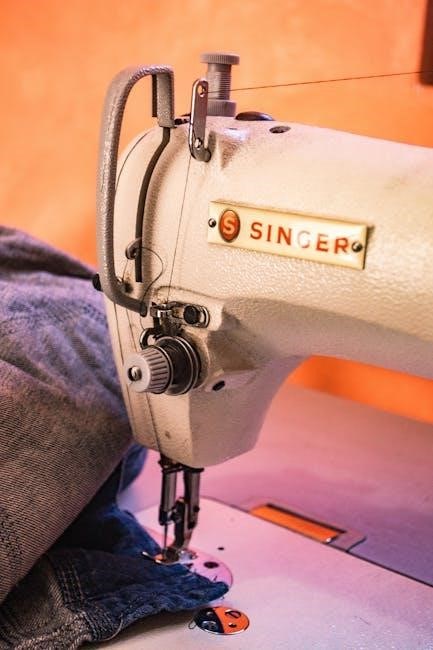
Weight considerations are also important, particularly during installation and transportation. The unit’s robust construction ensures durability, while its manageable weight facilitates easier handling. Detailed specifications regarding height, width, depth, and weight are readily available for informed decision-making.
Water Consumption
Efficient water usage is a key feature of the Splendide 2100Xc, designed with sustainability and cost-effectiveness in mind. This appliance minimizes water waste without sacrificing cleaning performance, making it an environmentally responsible choice for your laundry needs.
Understanding the water consumption rates for various wash cycles allows users to optimize their laundry routines and reduce their environmental impact. The Splendide 2100Xc utilizes advanced water level sensors and intelligent programming to deliver precise water dispensing.
Detailed specifications outlining water usage per cycle are readily available, enabling informed decisions and promoting responsible water management. This commitment to efficiency contributes to lower utility bills and a greener lifestyle.
Energy Efficiency Ratings
The Splendide 2100Xc boasts impressive energy efficiency ratings, designed to minimize power consumption and reduce your carbon footprint. This appliance adheres to stringent energy standards, ensuring responsible operation and long-term cost savings.
Understanding the energy efficiency metrics, such as kilowatt-hour (kWh) usage per cycle, empowers users to make informed choices and optimize their laundry habits. The machine’s intelligent design incorporates energy-saving technologies for superior performance.
Detailed energy consumption data is readily accessible, allowing for accurate assessment and comparison with other laundry appliances. This commitment to efficiency reflects Splendide’s dedication to sustainability and environmental responsibility.
Warranty Information and Support
Comprehensive warranty coverage details are provided, alongside accessible customer support channels and resources for locating genuine Splendide 2100Xc replacement parts.
Warranty Coverage Details
The Splendide 2100Xc washing machine is covered by a limited warranty, protecting against manufacturing defects in materials and workmanship. This warranty typically begins on the original date of purchase. Coverage duration varies; commonly, a one-year warranty safeguards all parts and labor. Extended warranties may be available for purchase, offering additional years of protection.
Warranty exclusions often include damage resulting from misuse, improper installation, power surges, or lack of regular maintenance. Splendide International’s warranty does not cover cosmetic damage or normal wear and tear. To initiate a warranty claim, retain your proof of purchase and contact authorized customer support. Detailed terms and conditions are available within the product documentation.
Contacting Customer Support
For assistance with your Splendide 2100Xc, several support channels are available; Splendide International prioritizes customer satisfaction and offers responsive assistance. You can reach their support team via phone during business hours, typically Monday through Friday. Email support is also provided, allowing for detailed inquiries and documentation submission.
Online resources, including FAQs and troubleshooting guides, are accessible on the official Splendide website. These resources often address common issues and provide self-help solutions. Splendide, located in Berlin since 2003, emphasizes advanced communication. When contacting support, have your model number and purchase date readily available to expedite the process. Prompt and efficient service is their commitment.
Finding Replacement Parts
Securing genuine Splendide 2100Xc replacement parts is crucial for maintaining appliance performance and warranty validity. Splendide International, based in Berlin since 2003, offers a dedicated parts procurement service. Authorized dealers and online retailers specializing in appliance parts also stock a wide range of components.
When ordering, always verify the part number against your appliance’s documentation to ensure compatibility. Splendide’s advanced communication structures facilitate accurate part identification. Websites often feature exploded diagrams to assist in locating the correct component. Prioritize genuine Splendide parts to uphold quality and safety standards. Avoid using non-approved substitutes, as they may compromise functionality.