Anchors Aweigh Lyrics PDF: A Comprehensive Guide (Updated 12/20/2025)
Discover readily available, free printable sheet music for “Anchors Aweigh” by Zimmermann, Miles, and Lottman, catering to piano, guitar, flute, and diverse instruments.
Explore over 1,000,000 arrangements, including 15 versions of this naval anthem, with options for various keys and instrumentation, ensuring instant access.
Find melody and chord charts, alongside transcriptions suitable for beginners and seasoned musicians alike, all easily downloadable in PDF format for convenient practice.
Historical Context of “Anchors Aweigh”
“Anchors Aweigh” emerged in 1906, a period of significant naval expansion for the United States. This era witnessed the rise of a modern, global fleet, and a growing need for songs that embodied the spirit and camaraderie of sailors. The song’s creation coincided with increased public interest in the Navy, fueled by its growing international presence and technological advancements in shipbuilding;
Initially, the song wasn’t intended as a formal naval hymn. It was composed as a lively march meant to inspire and entertain. However, its upbeat tempo, patriotic lyrics, and catchy melody quickly resonated with sailors and naval personnel. Over time, it organically gained popularity within the Navy, becoming a beloved tune during shipboard life and shore leave.
The song’s adoption wasn’t immediate or official. It spread through word of mouth and informal performances, gradually becoming ingrained in naval culture. Its enduring appeal lies in its ability to capture the essence of a sailor’s life – the adventure, the longing for home, and the pride in serving one’s country. This organic growth is a key aspect of its historical context.
The Song’s Origins: 1906 Composition
“Anchors Aweigh” was first composed in 1906 by Charles A. Zimmermann, a musician associated with the U.S. Navy. The initial intent was to create a spirited march suitable for naval ceremonies and entertainment. Zimmermann’s composition provided the foundational melody and structure that would eventually become the iconic anthem. The song’s creation wasn’t a top-down directive, but rather a musical offering to the naval community.
The 1906 version differed slightly from the arrangement we know today. It underwent refinements and adaptations over the years, particularly with the addition of Alfred Hart Miles’ lyrics. However, Zimmermann’s original musical framework remained central to the song’s identity. This initial composition laid the groundwork for its future widespread adoption.
Interestingly, the song’s early reception wasn’t overwhelmingly enthusiastic. It gained traction gradually, spreading through informal performances and word-of-mouth within the Navy; Its eventual success stemmed from its inherent musical qualities and its ability to resonate with the experiences of sailors.
Charles A. Zimmermann: The Composer
Charles A. Zimmermann, born in 1862, was a prolific American composer and musician deeply connected to the U.S. Navy. He served as the Leader of the U.S. Navy Band in Washington, D.C., from 1905 to 1938, a position that significantly influenced his musical output. His role within the Navy Band provided him with a direct understanding of the musical needs and preferences of naval personnel.
Zimmermann wasn’t solely known for “Anchors Aweigh”; he composed numerous other marches and patriotic pieces. His compositions were characterized by their energetic rhythms and memorable melodies, designed to inspire and uplift. He possessed a talent for crafting music that resonated with a broad audience, particularly within military circles.
His dedication to the Navy extended beyond his compositional work. He actively fostered musical excellence within the band, shaping it into a highly respected ensemble. Zimmermann’s legacy continues through his music, particularly “Anchors Aweigh,” which remains a beloved symbol of naval tradition.
Alfred Hart Miles: The Lyricist
Alfred Hart Miles, born in 1871, was an American poet and lyricist renowned for his patriotic and nautical-themed verses. He served as a Lieutenant in the U.S; Navy, a background that profoundly shaped his writing and provided authentic insight into naval life. This experience allowed him to capture the spirit and camaraderie of sailors with remarkable accuracy.
Miles collaborated with composer Charles A. Zimmermann to create the lyrics for “Anchors Aweigh” in 1906. His words evoke a sense of adventure, longing for home, and unwavering patriotism. The lyrics are celebrated for their vivid imagery and rousing call to action, perfectly complementing Zimmermann’s energetic melody.
Beyond “Anchors Aweigh,” Miles penned lyrics for numerous other songs, often focusing on themes of the sea and military service. His contributions to American patriotic music are significant, solidifying his place in musical history.

Availability of Sheet Music
Numerous online sources offer free, printable sheet music for “Anchors Aweigh,” available for piano, guitar, flute, and other instruments, readily accessible today.
Explore diverse arrangements and transpositions to suit various skill levels and musical preferences, enhancing your playing experience immediately.
Free Printable Sheet Music Sources
Locating free, printable sheet music for “Anchors Aweigh” is surprisingly straightforward thanks to a vibrant online community of musicians and dedicated sheet music repositories. Several websites specialize in providing public domain sheet music, and “Anchors Aweigh,” being in the public domain, features prominently on these platforms.
Many websites allow users to download PDFs directly, offering versions with both melody and chords, catering to different instrumental needs. These sources often include arrangements for piano, guitar, and even less common instruments like the flute or saxophone. A quick search using keywords like “Anchors Aweigh sheet music PDF free” will yield a wealth of results.
However, it’s crucial to exercise caution and ensure the source is reputable to avoid potentially harmful downloads. Look for well-established sheet music websites or those affiliated with musical organizations. Remember to always preview the sheet music before downloading to confirm its accuracy and suitability for your skill level. The abundance of free resources makes learning and performing this iconic anthem accessible to everyone.
Piano Sheet Music Options
For pianists eager to learn “Anchors Aweigh,” a diverse range of sheet music options are readily available. These range from simple arrangements suitable for beginners to more complex versions designed for advanced players. Many free printable sources offer piano sheet music with both treble and bass clef notation, clearly displaying the melody and accompanying chords.
Digital sheet music platforms also provide numerous piano arrangements, often with features like adjustable tempo and transposition. These platforms frequently offer different skill levels, categorized by difficulty, allowing pianists to select music appropriate for their abilities.
Furthermore, some arrangements include simplified chords for easier playing, while others feature more elaborate harmonies for a richer sound. Exploring these options ensures every pianist can find a version of “Anchors Aweigh” that suits their individual style and technical proficiency, bringing this classic tune to life on the keys.
Guitar Sheet Music and Arrangements
Guitarists seeking to play “Anchors Aweigh” will find a selection of sheet music and arrangements tailored to their instrument. Options range from standard notation for experienced players to tablature (tab) for those newer to reading music. Many free resources provide downloadable PDF versions, often including chord diagrams to aid in learning.
Arrangements vary in complexity, with some focusing on simplified chord progressions for strumming, while others offer more intricate fingerpicking patterns. Solo guitar arrangements are also available, allowing for a more expressive and nuanced performance.
Digital platforms frequently offer guitar-specific sheet music, often with adjustable playback speed and the ability to transpose to different keys. These resources cater to various skill levels, ensuring guitarists of all abilities can enjoy playing this iconic naval anthem.
Sheet Music for Other Instruments (Flute, Saxophone etc.)
Beyond piano and guitar, “Anchors Aweigh” sheet music is widely available for a diverse range of instruments. Musicians playing flute, saxophone (alto and tenor), clarinet, trumpet, and trombone can readily find arrangements suited to their instrument’s range and capabilities.
These arrangements often feature simplified melodies and harmonies, making the song accessible to players of varying skill levels. PDF downloads are common, providing convenient access to sheet music for practice and performance. Many resources offer transposed versions, allowing musicians to play in comfortable keys.
Ensemble players will also discover arrangements designed for small groups, fostering collaborative musical experiences. The song’s patriotic and uplifting nature makes it a popular choice for band and orchestral performances.
PDF Formats and Accessibility
Access “Anchors Aweigh” sheet music in versatile PDF versions, featuring melody and chords, with transposition options for diverse keys and easy digital viewing.
PDF Versions with Melody and Chords
Numerous PDF versions of “Anchors Aweigh” sheet music prioritize accessibility by including both the melody line and accompanying chords. This format is exceptionally beneficial for musicians of varying skill levels, allowing pianists, guitarists, and other instrumentalists to easily learn and perform the song.
These PDFs often present the melody in standard notation, clearly indicating pitch and rhythm, while the chords are displayed above the staff, providing harmonic guidance. This combined presentation simplifies the process of accompaniment and improvisation.
Furthermore, many sources offer these PDFs in multiple keys, catering to different vocal ranges and instrumental preferences. The availability of melody and chord versions significantly enhances the learning experience and broadens the song’s appeal to a wider musical audience, fostering a deeper appreciation for this iconic naval anthem.
Transposition Options for Different Keys
Recognizing that musicians possess diverse vocal ranges and instrumental capabilities, many online resources offer “Anchors Aweigh” sheet music PDFs in various transposed keys. This flexibility is crucial for accommodating individual needs and ensuring comfortable performance.
Typically, these transposition options include common keys such as C major, D major, Eb major, F major, and G major, allowing performers to select the key that best suits their voice or instrument. Some platforms even provide tools for custom transposition, enabling users to specify their desired key.
The ability to transpose the sheet music ensures that the song remains accessible and enjoyable for all musicians, regardless of their technical limitations or preferred tonal center, enhancing the overall musical experience.
Digital Sheet Music Platforms
Numerous digital sheet music platforms host “Anchors Aweigh” arrangements in PDF format, offering convenient access and a wide selection of options. These platforms often feature interactive sheet music with playback capabilities, adjustable tempo controls, and annotation tools.
Popular choices include Musicnotes.com, Sheet Music Plus, and virtualsheetmusic.com, each providing a diverse catalog of arrangements for various instruments and skill levels. Many platforms also offer subscription services granting unlimited access to their entire library.
These digital resources streamline the sheet music acquisition process, eliminating the need for physical purchases and providing instant downloads. They also frequently include features like transposition tools and printing options, enhancing user convenience.

“Anchors Aweigh” as a Naval Anthem
Recognized as the unofficial song of the US Navy and the official fight song of the US Naval Academy, “Anchors Aweigh” embodies naval pride.
Frequently performed during ceremonies and events, it’s a powerful symbol of tradition and camaraderie within the naval community.
Unofficial Song of the US Navy
Though never formally designated as the official song, “Anchors Aweigh” has deeply permeated the culture of the United States Navy, earning its enduring title as the unofficial anthem. This widespread adoption stems from its rousing melody and lyrics that resonate with the experiences and spirit of sailors.
Its popularity grew organically through consistent use at naval events, ceremonies, and within the ranks, becoming intrinsically linked to naval identity. The song’s themes of adventure, homecoming, and patriotic duty powerfully capture the essence of naval life, fostering a strong sense of unity and morale.
Numerous recordings and performances throughout the decades have further cemented its status, ensuring its continued relevance and recognition within the Navy. Access to sheet music PDFs, readily available online, allows for continued performance and preservation of this beloved tradition, keeping the spirit of “Anchors Aweigh” alive for generations of sailors.
Fight Song of the US Naval Academy
“Anchors Aweigh” proudly serves as the official fight song of the United States Naval Academy, igniting spirited enthusiasm during athletic competitions and ceremonial events. Its energetic tempo and inspiring lyrics galvanize Midshipmen and supporters alike, fostering a powerful sense of camaraderie and competitive drive.
The song is prominently featured during football games, parades, and other Academy functions, becoming synonymous with Naval Academy pride and tradition. Its rousing chorus encourages unwavering determination and a commitment to excellence, mirroring the values instilled in future naval officers.
Readily accessible sheet music PDFs ensure the song’s continued performance by the Naval Academy band and glee club, preserving its legacy for incoming classes. This enduring tradition reinforces the song’s integral role in shaping the Academy’s identity and inspiring generations of Midshipmen.
Use in Naval Ceremonies and Events
“Anchors Aweigh” frequently graces significant United States Navy ceremonies, lending a dignified and patriotic atmosphere to proceedings. Its stirring melody and evocative lyrics are integral to commissioning, decommissioning, and change-of-command events, symbolizing naval heritage and honor.
The song’s presence at these formal occasions underscores the Navy’s traditions and values, fostering a sense of unity and respect among attendees. Downloadable sheet music PDFs facilitate performances by Navy bands, ensuring consistent and respectful renditions during official functions.
Furthermore, “Anchors Aweigh” is often played during shipboard events, welcoming sailors home or bidding farewell to departing crews, solidifying its role as a poignant expression of naval life and camaraderie.

Analyzing the Lyrics
Delve into themes of adventure, homecoming, and patriotic fervor within the lyrics, exploring the symbolism of “Anchors Aweigh” and its enduring message.
Discover how the song embodies the spirit of naval life, resonating with sailors and audiences alike through its powerful and evocative verses.
Themes of Adventure and Homecoming
“Anchors Aweigh” beautifully encapsulates the dual themes of thrilling adventure on the high seas and the heartfelt longing for a safe return home. The lyrics vividly portray the excitement of voyages to distant lands, evoking images of exploration and discovery, appealing to the adventurous spirit inherent in naval life.
However, this adventurous spirit is consistently balanced with a deep-seated desire for homecoming. The song subtly weaves in sentiments of missing loved ones and anticipating the joy of reunion, creating a poignant emotional resonance. This duality speaks to the core experience of sailors – embracing the challenges of their duty while cherishing the promise of returning to family and familiar shores.
The lyrical imagery, combined with the song’s upbeat tempo, effectively conveys both the exhilaration of the journey and the warmth of anticipated welcome, making it a powerful anthem for those who serve and those who await their return.
Symbolism of “Anchors Aweigh”
The very title, “Anchors Aweigh,” is rich with symbolism, representing freedom, readiness, and the commencement of a journey. Lifting the anchors signifies leaving the safety of harbor and embarking on new adventures, a powerful metaphor for a sailor’s life.
Beyond the literal meaning, the song embodies the spirit of the U.S. Navy – courage, discipline, and unwavering dedication to duty. The lyrics, while seemingly straightforward, subtly allude to the challenges and sacrifices inherent in naval service, portraying a life of both excitement and responsibility.
Furthermore, the song’s enduring popularity as the unofficial anthem of the Navy reinforces its symbolic weight, representing a shared identity and a collective sense of pride among those who serve. It’s a musical embodiment of naval tradition and a celebration of maritime heritage.
The Song’s Patriotic Message
“Anchors Aweigh” resonates deeply with patriotic sentiment, though its message isn’t overtly nationalistic. Instead, it celebrates the dedication and adventurous spirit of those who serve in the United States Navy, subtly fostering a sense of national pride.
The song’s association with the Naval Academy and its frequent use in ceremonies amplify this patriotic connection. It’s a musical representation of service, sacrifice, and commitment to defending the nation’s interests, inspiring both sailors and civilians alike.
While not explicitly detailing political ideals, the song’s uplifting melody and optimistic lyrics evoke feelings of hope and confidence in the strength and resilience of the American spirit, solidifying its place as a beloved patriotic tune.

Recent Online Searches & Trends (as of 12/20/2025)
Currently, searches for “Anchors Aweigh” sheet music downloads are increasing, alongside Bing quiz participation, including trivia about DisneyWorld and UK Prime Ministers.
Increased Interest in Sheet Music Downloads
Data indicates a significant surge in online searches specifically targeting downloadable sheet music for “Anchors Aweigh” as of December 20th, 2025. This trend suggests a renewed appreciation for the song, potentially fueled by patriotic sentiment or increased engagement with naval traditions.
Users are actively seeking PDF versions compatible with various instruments – piano, guitar, flute, and saxophone being particularly popular. The demand extends to arrangements with both melody and chords, catering to musicians of differing skill levels.
Furthermore, the accessibility of free printable sheet music is a key driver, with numerous websites offering arrangements for immediate download. This ease of access, combined with the song’s enduring popularity, explains the observed increase in download activity. Individuals are also manually searching for answers to Bing quizzes, potentially to earn rewards.
Bing Quiz Questions Related to Cultural Landmarks (DisneyWorld Restaurant)
Interestingly, recent Microsoft Rewards Bing Quizzes have featured questions seemingly unrelated to “Anchors Aweigh,” yet are presented alongside opportunities to earn points while searching for the song’s sheet music. One such question, as of May 3rd, 2024, inquired about a DisneyWorld restaurant achieving a coveted honor.
Specifically, the quiz asked which DisneyWorld eatery became the first theme-park restaurant to win a prestigious award. This tangential topic appears within the same platform where users are actively searching for “Anchors Aweigh” lyrics and sheet music PDFs;
The inclusion of such diverse quiz questions suggests a broad range of content within the Microsoft Rewards ecosystem, potentially serving as a distraction or broadening user engagement beyond the initial search for musical resources.
Microsoft Rewards Bing Quizzes & “Anchors Aweigh” Relevance
The Microsoft Rewards program, accessible through Bing, incentivizes users with points for completing daily quizzes and searches. While seeking “Anchors Aweigh” sheet music, users encounter these quizzes, creating an interesting intersection of content.
Notably, a user reported manually completing the quizzes to accumulate points, highlighting a strategy for maximizing rewards while pursuing musical interests. This suggests a dedicated user base actively engaging with both the search function and the rewards program.
Although the quiz topics, like DisneyWorld restaurants or UK Prime Ministers, appear unrelated to the song, their presence alongside “Anchors Aweigh” searches demonstrates Bing’s broader content strategy and user engagement tactics.
UK Prime Minister Trivia & Distraction from Core Topic
Interestingly, recent Microsoft Rewards Bing Quizzes included a question regarding the number of UK Prime Ministers in 2022. This seemingly unrelated trivia appeared alongside searches for “Anchors Aweigh” sheet music, demonstrating the diverse range of content presented to users.
The inclusion of such questions highlights how Bing’s quiz format can introduce tangential information, potentially distracting users from their primary search intent – in this case, finding sheet music for the iconic song.
While the quiz aims to engage users, it underscores the platform’s tendency to present a broad spectrum of news and current events, even when the initial query focuses on a specific topic like musical scores.
Will Smith Oscars Incident & Irrelevance to the Topic
Notably, a Microsoft Rewards Bing Quiz question inquired about the individual Will Smith slapped onstage at the 2022 Oscars. This pop culture reference surfaced within the same online environment as searches for “Anchors Aweigh” sheet music PDFs.

The presence of this question exemplifies how Bing’s quiz system incorporates unrelated current events, potentially diverting user attention from the original search objective – locating musical arrangements.
It’s clear the Oscars incident holds no direct connection to the historical context, composition, or availability of sheet music for “Anchors Aweigh,” yet it appeared as a quiz item alongside relevant search results, illustrating a broad content mix.
Delta Air Lines Solar Eclipse Flight & Tangential Information
A Bing News Quiz question on May 31st, 2024, asked about Delta Air Lines offering a special flight to view a specific event next month. The answer was a total solar eclipse, a fascinating astronomical occurrence.
Like the Will Smith Oscars question, this topic represents a significant departure from the core subject of “Anchors Aweigh” sheet music. While both are legitimate news items, their inclusion within the Microsoft Rewards quiz alongside music-related searches demonstrates a wide-ranging content strategy.
This illustrates how Bing’s platform blends diverse information, potentially distracting users seeking resources for the naval anthem. The eclipse flight, though interesting, is entirely unrelated to the song’s history or musical arrangements.

Copyright and Usage Rights
“Anchors Aweigh” is now in the public domain, allowing free use of sheet music PDFs, but proper attribution is still recommended when sharing.
Permitted uses include personal practice, educational purposes, and non-commercial arrangements, fostering wider access to this beloved naval tune.
Public Domain Status of the Song
The enduring appeal of “Anchors Aweigh” is further enhanced by its current status within the public domain. This means the original copyrighted protections on the composition have expired, granting unrestricted access to the song’s melody and lyrics for a wide range of uses. Consequently, individuals are freely permitted to download, share, print, and adapt sheet music PDFs without seeking permission or incurring licensing fees.
This public domain designation significantly benefits musicians, educators, and enthusiasts alike, fostering creativity and accessibility. It allows for the creation of countless arrangements, performances, and educational materials based on the iconic tune. However, it’s important to note that while the original composition is public domain, specific arrangements or adaptations created by individual musicians may still be protected by copyright.
Therefore, when utilizing sheet music PDFs, it’s prudent to verify the copyright status of the specific arrangement, especially if it includes unique embellishments or interpretations beyond the original composition.
Permitted Uses of Sheet Music PDFs
Given “Anchors Aweigh’s” public domain status, the permitted uses of its sheet music PDFs are remarkably broad. Individuals can freely utilize these PDFs for personal enjoyment, practicing musical instruments, educational purposes, and non-commercial performances. Music teachers are empowered to incorporate the song into their curriculum without restriction, fostering musical education and appreciation.
Furthermore, the PDFs can be shared with friends, family, and fellow musicians, promoting the song’s continued enjoyment and performance. Creating arrangements for ensembles, choirs, or bands is also permissible, encouraging collaborative musical endeavors. However, commercial use, such as selling the PDFs or incorporating them into for-profit products, may require consideration of any copyright associated with specific arrangements.
Essentially, the public domain allows for widespread access and creative exploration of this beloved naval anthem, enriching musical experiences for all.
Attribution Requirements for Sharing
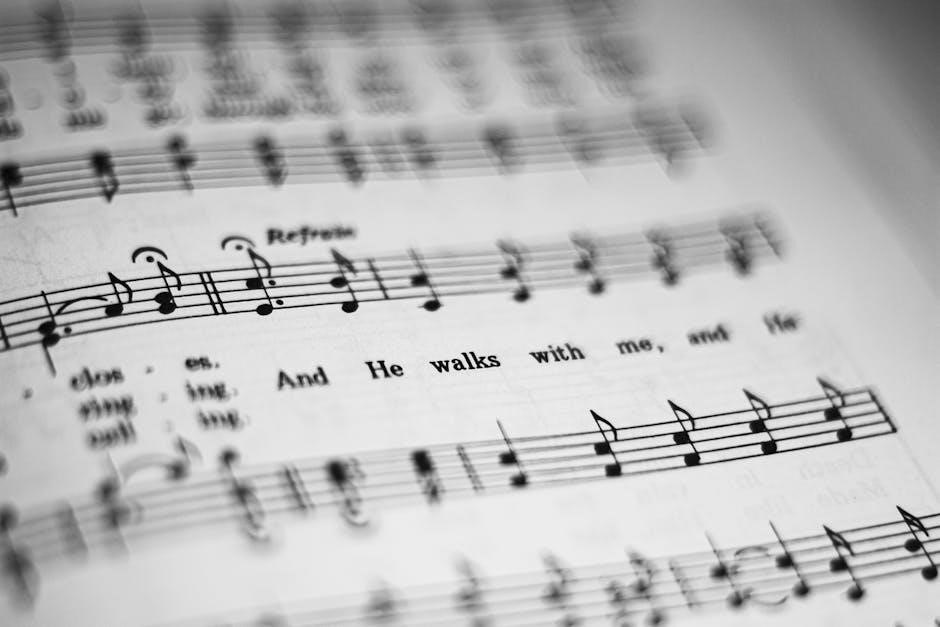
While “Anchors Aweigh” resides in the public domain, acknowledging the original creators – Charles A. Zimmermann (composer), Alfred Hart Miles (lyricist), and George D. Lottman – remains a courteous and ethical practice when sharing sheet music PDFs. Though not legally mandated, providing attribution demonstrates respect for their artistic contributions and preserves the song’s historical context.
Specifically, when distributing the PDF, include a clear statement identifying Zimmermann and Miles as the song’s creators. Mentioning the source of the PDF, if applicable (e.g., a specific website offering free sheet music), is also recommended. This transparency benefits the musical community and ensures proper recognition.
Essentially, simple attribution fosters a culture of respect for intellectual property, even within the public domain, and helps maintain the legacy of this iconic naval anthem.