Bose Amp Wiring Diagram Manual: An Overview
Navigating Bose amplifier systems requires detailed wiring diagrams, often sought for installations like JVC KW-AVX810 units or aftermarket amp replacements in vehicles like the Nissan G35 and Chevy TrailBlazer/GMC Envoy․
Bose amplifiers are integral components of many vehicle audio systems, renowned for their proprietary technology and integrated sound processing․ Understanding their functionality is crucial for successful upgrades or repairs․ These amplifiers aren’t simply power sources; they often incorporate equalization and signal processing tailored to the specific vehicle’s cabin acoustics․
Consequently, accessing accurate wiring diagrams is paramount․ Many enthusiasts, particularly those with Nissan G35s (2003-2007) and Chevy TrailBlazers/GMC Envoys, have encountered difficulties locating reliable schematics online, with broken links and incomplete information being common issues․ The need for precise pinout details, especially when integrating aftermarket components like 4-channel amps for stock speakers or mono amps for subwoofers, is significant․ Proper identification of amplifier types (like the UQA Class 2) and understanding BCM control are also vital for a seamless installation․
Understanding Bose Audio Systems
Bose audio systems, frequently factory-installed, present unique challenges when modifying or repairing due to their integrated nature․ Unlike standard setups, Bose often utilizes a proprietary communication protocol and amplifier configurations․ The amplifier isn’t always a standalone unit; it’s frequently intertwined with the vehicle’s Body Control Module (BCM), impacting power delivery and system control․
Successfully interfacing with these systems requires a deep understanding of how the Bose amplifier interacts with other vehicle components, such as OnStar․ When upgrading, considerations like maintaining OnStar functionality or adapting wiring harnesses become essential․ Accurate wiring diagrams are not merely helpful, they are necessary to avoid damaging the system or losing critical features․ The complexity is amplified by variations across model years, as seen with the Chevy TrailBlazer/GMC Envoy (2002 vs․ 2005)․

Wiring Diagram Specifics
Detailed diagrams are crucial for vehicle-specific Bose systems, including Nissan G35 (2003-2007) and Chevy TrailBlazer/GMC Envoy models, pinpointing connector pin numbers and amplifier types․
2003-2007 Nissan G35 Bose Amp Wiring
Locating a reliable wiring diagram for the 2003-2007 Nissan G35 Bose system can be challenging, as many previously hosted images on forums are now inaccessible․ Users have spent considerable time searching for this information, often resorting to creating their own diagrams from factory service manuals․ The key is identifying the correct connector pin numbers for seamless integration with aftermarket amplifiers․
This is particularly important when planning a system upgrade, such as replacing the stock Bose amplifier with a 4-channel amp to power the factory speakers and a mono amp for a subwoofer installation․ Having a precise pinout ensures correct signal routing and prevents damage to the system․ The availability of these diagrams directly impacts the ease and success of the upgrade process, saving significant time and frustration․
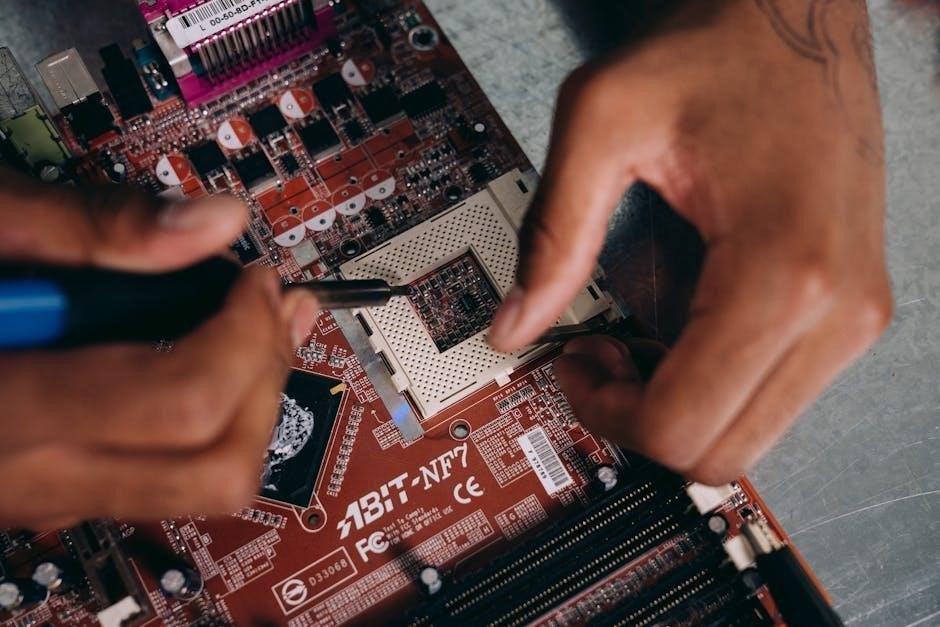
Connector Pin Numbers for G35 Systems
Detailed connector pin numbers are crucial for successful integration with the 2003-2007 Nissan G35 Bose amplifier․ While a comprehensive list requires referencing the factory service manual, understanding the basic layout is a starting point․ Pin assignments dictate power, ground, speaker outputs, and remote turn-on functionality․
Accurate identification prevents miswiring, which could damage the amplifier or connected speakers․ Users who have successfully completed this upgrade emphasize the importance of verifying each pin before making connections․ The process often involves tracing wires and cross-referencing with the service manual’s diagrams․ Proper documentation of these pin numbers is essential for future troubleshooting or modifications to the audio system, ensuring a reliable and high-quality sound experience․
Chevy TrailBlazer/GMC Envoy Bose Amp Wiring
Wiring a Bose amplifier in a Chevy TrailBlazer or GMC Envoy requires understanding the different amplifier types used across model years․ Specifically, the UQA Class 2 amplifier is a larger unit controlled by the Body Control Module (BCM)․ Identifying the correct amplifier type is the first step, as wiring schematics vary between the 2002 and 2005 models․
Accessing accurate wiring diagrams is often challenging, with many online resources having broken links or incomplete information․ Forums dedicated to these vehicles are valuable resources, but verifying information with a factory service manual is always recommended․ Successful installations, like those involving a JVC KW-AVX810 head unit, depend on precise wiring to maintain OnStar functionality and avoid compatibility issues․
UQA Class 2 Amplifier Details
The UQA Class 2 amplifier, found in certain Chevy TrailBlazer and GMC Envoy models, represents a more sophisticated Bose audio setup․ Crucially, this amplifier isn’t a standalone unit; it’s directly controlled by the vehicle’s Body Control Module (BCM)․ This integration means that simply replacing the amplifier isn’t always straightforward, as the BCM manages its operation․
Understanding the UQA’s control interface is vital for successful aftermarket integration․ Wiring diagrams specifically for the UQA are essential for retaining features like OnStar, and avoiding system malfunctions․ Due to its complexity, proper documentation and careful wiring are paramount․ Incorrect connections can lead to audio issues or even damage to the BCM or amplifier itself․
Compatibility Across Model Years (2002 vs․ 2005)
When working with Chevy TrailBlazer/GMC Envoy Bose systems, compatibility isn’t uniform across all model years․ Specifically, owners have questioned differences between the 2002 and 2005 models regarding wiring schematics․ While many components are shared, subtle variations can exist in the amplifier’s wiring harness and BCM control interfaces․
It’s crucial not to assume a diagram for a 2005 model will perfectly match a 2002․ Users on forums have specifically inquired about this, highlighting the need for year-specific diagrams․ Confirming the amplifier type (UQA Class 2 being a key distinction) and verifying pin assignments are essential before undertaking any wiring modifications or replacements․ Incorrect assumptions can lead to functionality issues․

Installation & Replacement Guides
Upgrading or replacing Bose amplifiers often involves integrating aftermarket components, such as 4-channel amps for speakers or mono amps for subwoofers, requiring careful wiring․
Replacing Stock Bose Amp with Aftermarket Amplifiers
Transitioning from the factory Bose amplifier to aftermarket solutions demands a clear understanding of wiring configurations․ Many enthusiasts, particularly those with Nissan G35s, have sought detailed pinout diagrams to facilitate this process, often finding existing online resources incomplete or broken․ Successfully swapping the Bose amp involves careful planning, especially when integrating both a 4-channel amplifier for the stock speakers and a dedicated mono amplifier for a subwoofer installation․
The process requires identifying the correct wiring connections for power, ground, speaker outputs, and remote turn-on․ Utilizing the factory service manual, or community-sourced diagrams like those found on r/G35, is crucial․ Proper adaptation may involve creating custom wiring harnesses to ensure compatibility and avoid damaging the vehicle’s electrical system․ Careful attention to detail is paramount for a clean and functional installation․
4-Channel Amp for Stock Speakers
When upgrading stock Bose speakers with a 4-channel amplifier, precise wiring is essential for optimal performance․ The goal is to deliver clean power to each speaker without introducing noise or distortion․ Utilizing a detailed Bose amp wiring diagram, specifically for your vehicle (like a 2003-2007 Nissan G35), allows for accurate identification of speaker output wires․
Careful matching of impedance is crucial; ensure the amplifier’s output impedance aligns with the Bose speakers’ specifications․ Many installations involve splicing into the existing Bose wiring harness, requiring proper connectors and insulation to maintain signal integrity․ A well-executed installation will significantly enhance sound quality, providing a noticeable improvement over the factory system while retaining the original speaker setup․
Mono Amp for Subwoofer Integration
Integrating a subwoofer with a Bose system necessitates a mono amplifier and a clear understanding of the Bose amp wiring diagram․ Typically, this involves tapping into the existing Bose system for a remote turn-on signal and utilizing the factory wiring for speaker outputs, or running new speaker wires․ Identifying the correct wires for subwoofer connection is paramount, often requiring access to the factory service manual or detailed online resources like those found on r/G35․
Proper grounding is critical to avoid noise and ensure stable operation․ Matching the subwoofer’s impedance to the mono amplifier’s specifications is also essential․ Careful consideration should be given to the location of the amplifier and subwoofer to optimize bass response and minimize interference with other vehicle systems․
JVC KW-AVX810 Installation with Bose System
Installing a JVC KW-AVX810 head unit into a vehicle equipped with a Bose system, such as a GMC Envoy 2003, demands careful wiring adaptation․ Retaining OnStar functionality alongside the new head unit is a common concern, requiring specific wiring harnesses or integration modules․ The Bose amplifier often needs to be bypassed or integrated with the JVC unit, necessitating a thorough understanding of the Bose amp wiring diagram․
Successfully integrating the JVC unit involves connecting the necessary power, ground, and speaker wires, while potentially utilizing a line output converter to maintain audio quality․ Online forums, like those discussing Chevy TrailBlazer/GMC Envoy modifications, provide valuable insights and guidance for this process, often detailing specific wiring configurations․

Troubleshooting Common Issues
Diagnosing Bose system problems involves identifying amplifier types, checking power supply connections, and verifying speaker wiring—a detailed wiring diagram is crucial for effective repair․
Identifying Amplifier Types
Successfully troubleshooting a Bose audio system begins with correctly identifying the amplifier model installed in the vehicle․ For example, in Chevy TrailBlazer and GMC Envoy models, two primary amplifier types exist: the standard amplifier and the UQA Class 2 amplifier․ The UQA Class 2 is notably larger and controlled directly by the vehicle’s Body Control Module (BCM), adding complexity to aftermarket integrations․
Understanding this distinction is vital because wiring schematics and diagnostic procedures differ significantly between these types․ The 2002 and 2005 model years of the TrailBlazer/Envoy may utilize different amplifier configurations, necessitating verification before attempting any repairs or modifications․ Resources like online forums, specifically those dedicated to these vehicles (like the Chevy TrailBlazer/GMC Envoy forum), often contain user-shared experiences and diagrams to aid in identification․ Accurate identification prevents incorrect wiring and potential damage to the system․
Diagnosing Power Supply Problems
Power supply issues are a frequent cause of Bose amplifier malfunctions․ Initial checks should focus on verifying the presence of both constant (battery) and switched (ignition) power at the amplifier’s power connector․ Use a multimeter to confirm voltage levels against factory specifications – a lack of voltage indicates a problem upstream, potentially a blown fuse or a faulty wiring connection․
Inspect the power and ground wires for corrosion or damage, as these can create resistance and reduce voltage delivery․ Given the BCM’s control over some Bose amplifiers (like the UQA Class 2 in TrailBlazers/Envoys), a BCM fault could also interrupt power․ Thoroughly examine the wiring harness for any signs of shorts or open circuits․ Remember to consult a wiring diagram specific to your vehicle’s year and Bose system configuration for accurate pinout information․
Addressing Speaker Connectivity Issues
Speaker connectivity problems often stem from damaged wiring or incorrect connections․ Begin by visually inspecting the speaker wires for breaks, frays, or shorts, particularly where they pass through door looms or the vehicle’s chassis․ Utilize a wiring diagram to confirm that each speaker wire is connected to the correct terminal on both the amplifier and the speaker itself – miswiring can cause distortion or silence․
Test speaker continuity with a multimeter to rule out blown speakers․ If continuity is present, check the amplifier’s output signals for each channel․ A lack of signal suggests an amplifier fault, while a weak signal could indicate a wiring issue or a failing amplifier component․ Remember that Bose systems often employ proprietary connectors; ensure these are securely seated and free from corrosion․
Component Breakdown
Bose amplifiers contain internal components like power stages and signal processors, connected via specific connector types that manage audio signals and power distribution within the system․
Bose Amplifier Internal Components

Delving inside a Bose amplifier reveals a complex arrangement of electronic components working in harmony to deliver signature Bose sound quality․ Key elements include the power supply, responsible for converting AC voltage to the DC levels required by the amplifier circuitry․ Pre-amplification stages boost the incoming audio signal, preparing it for amplification․ The power amplification section, utilizing transistors or integrated circuits, increases the signal’s power to drive the speakers․
Equalization circuits shape the frequency response, contributing to Bose’s characteristic sound signature․ Protection circuitry safeguards the amplifier from overcurrent, overheating, and short circuits․ Additionally, many Bose amplifiers incorporate diagnostic features for troubleshooting․ Understanding these internal components is crucial when diagnosing issues or attempting modifications, as interaction with these parts requires specialized knowledge and tools․
Connector Types and Functions
Bose amplifiers utilize a variety of connector types, each serving specific functions within the audio system․ Main power connectors supply voltage to the amplifier, often featuring larger gauge wires to handle significant current draw․ Speaker output connectors transmit the amplified audio signal to the vehicle’s speakers, typically employing multi-pin connectors for channel separation․ Input connectors receive audio signals from the head unit, utilizing RCA or proprietary Bose connections․
Control connectors enable communication between the amplifier and the vehicle’s BCM (Body Control Module), facilitating features like volume control and OnStar integration․ Identifying the correct connector and understanding its pinout is vital for successful installation or repair․ Incorrect connections can lead to system malfunction or damage․
Advanced Considerations
Integrating aftermarket systems with Bose setups demands attention to OnStar compatibility and BCM control, often necessitating wiring harness adaptations for seamless functionality․
OnStar Integration with Aftermarket Systems
Maintaining OnStar functionality when replacing the factory Bose amplifier presents unique challenges․ The Bose system is often deeply integrated with the vehicle’s OnStar module, and a straightforward amplifier swap can disrupt communication․ Successful integration typically involves utilizing a fiber optic bypass module or a specialized interface designed to translate the signals between the aftermarket amplifier and the OnStar system․
These interfaces ensure that emergency services and other OnStar features continue to operate correctly․ Careful consideration must be given to the wiring connections, as incorrect installation can lead to complete OnStar failure or intermittent operation․ Consulting with experienced installers or referencing vehicle-specific forums, like r/G35, can provide valuable insights and guidance on preserving OnStar functionality during amplifier upgrades․ Proper wiring and module selection are crucial for a seamless integration․
BCM Control of Bose Amplifiers
The Body Control Module (BCM) plays a significant role in controlling Bose amplifiers, particularly in vehicles like the Chevy TrailBlazer and GMC Envoy․ Specifically, the UQA Class 2 amplifier is directly governed by the BCM, meaning the BCM manages power, audio settings, and potentially diagnostic functions of the amplifier․

Understanding this control is vital when upgrading or replacing the factory amplifier․ Simply swapping the unit may result in lost functionality or error messages due to the BCM’s inability to recognize the new amplifier․ Solutions often involve utilizing a BCM interface module or performing specific programming to ensure compatibility․ Variations exist across model years – a 2002 Envoy may differ from a 2005 model – necessitating careful research and wiring diagram verification․
Wiring Harness Adaptations
Successfully integrating aftermarket amplifiers with a Bose system frequently demands wiring harness adaptations․ Direct connections are rarely possible due to Bose’s proprietary wiring schemes and connector types․ Adapters, specifically designed for Bose systems in vehicles like the Nissan G35, are crucial for maintaining factory functionality like OnStar and avoiding complex wiring modifications․
These adaptations often involve bridging the gap between the factory harness and the aftermarket amplifier’s inputs and outputs․ Careful attention to connector pin numbers – as detailed in G35 wiring diagrams – is essential․ Incorrect wiring can lead to audio distortion, system malfunctions, or even damage to components․ Custom wiring may be necessary for unique installations, requiring a thorough understanding of both Bose and aftermarket wiring standards․

Resources & Manuals
Locating factory service manuals and utilizing online communities, such as r/G35 on Reddit, provides valuable diagrams and support for Bose amp wiring projects․
Locating Factory Service Manuals
Accessing the original factory service manuals is paramount for accurate Bose amplifier wiring information․ These manuals contain detailed schematics, connector pinouts, and component layouts crucial for successful installations and troubleshooting․ Unfortunately, direct links to these manuals often become broken over time, as noted in online forums like r/G35, where users have experienced issues with previously shared images and resources․
Consider exploring online databases specializing in automotive repair information, often requiring a subscription fee․ Dealership parts and service departments may also be able to provide copies of the relevant manuals, though this can be costly․ Persistence is key; searching for model-specific manuals (e․g․, “2003 Nissan G35 Factory Service Manual”) will yield the best results․ Remember to verify the manual’s applicability to your specific vehicle year and Bose system configuration․
Online Forums and Communities (r/G35)
The r/G35 subreddit on Reddit serves as a valuable resource for owners seeking Bose amplifier wiring diagrams and installation advice․ Users frequently share experiences, troubleshooting tips, and even self-created wiring diagrams, addressing the common issue of broken links and outdated information found elsewhere online․ A recent post highlighted a user’s success in obtaining a diagram from a former G35 owner, demonstrating the community’s willingness to assist․
Actively participate in discussions, clearly stating your vehicle year and Bose system specifics to receive tailored guidance․ Search the subreddit archives for existing threads related to your model․ Be mindful that information shared online should be verified against official sources whenever possible, but r/G35 offers a practical and collaborative environment for tackling Bose system modifications․
Gm Bose Amp Wiring Diagram User Manual
A comprehensive Gm Bose Amp Wiring Diagram user manual is crucial for successful installation and troubleshooting of audio systems in vehicles like the Chevy TrailBlazer and GMC Envoy․ These manuals detail the intricacies of the Bose amplifier, including connector pinouts and wiring schematics, essential for integrating aftermarket components or replacing the factory unit․
Understanding the two amplifier types – the UQA Class 2 (larger, BCM-controlled) and other variants – is paramount․ The manual clarifies compatibility across different model years (e․g․, 2002 vs․ 2005 Envoy), ensuring correct wiring configurations․ It also aids in diagnosing power supply issues and speaker connectivity problems, ultimately maximizing the performance and longevity of your GM Bose audio system․