Discover the harmony of Yin Yang eating with our free PDF chart! This guide explores balancing foods for optimal health and wellness, offering dietary guidelines for nourishing Yin.
Learn to identify Yin and Yang foods, utilize a chart, and apply principles to daily meals, transforming your relationship with food and connecting to your body’s needs.
The document recommends avoiding energy-stimulating foods and consuming cooling options, dairy, and sweet, sour, and salty flavors.
What is Yin and Yang in Food?
Yin and Yang represent opposing yet complementary forces describing the qualities of foods and their effects on the body. Yang foods are generally warmer, drier, and increase internal heat, often containing more fat for higher energy levels. Think of warming spices or hearty meats.
Conversely, Yin foods tend to cool, add moisture, and decrease the body’s temperature, boasting higher water content and less fat – like refreshing fruits and vegetables. Yin embodies inward, quiet, nighttime, maternal, cool, and fluid qualities, while Yang represents outward, active, daytime, paternal, warm, and energetic aspects.
Understanding these qualities isn’t about strict categorization, but recognizing a spectrum. A Yin Yang food chart PDF helps visualize this, offering a guide to discern a food’s nature. It’s more powerful than memorization; it’s about discerning accuracy and applying the framework to your diet. This knowledge empowers you to balance these forces for optimal wellbeing.
The Importance of Balancing Yin and Yang
Balancing Yin and Yang through diet is crucial for maintaining optimal health, as imbalances can manifest as various symptoms. A Yin Yang food chart PDF serves as a valuable tool to achieve this harmony, guiding you towards dietary choices that support your body’s needs.
When Yin and Yang are in equilibrium, the body functions smoothly, with robust energy levels and a strong immune system. However, excess of either can disrupt this balance. Yang excess might present as seeking coolness, restlessness, or dry skin, while Yin excess could lead to sluggishness and fluid retention.
Utilizing the chart allows for personalized nutrition, addressing individual constitutions and seasonal changes. It’s not about rigid rules, but mindful selection, incorporating both warming and cooling foods to create balanced meals. This approach fosters a deeper connection to your body and promotes lasting wellness.
Understanding Yin Foods
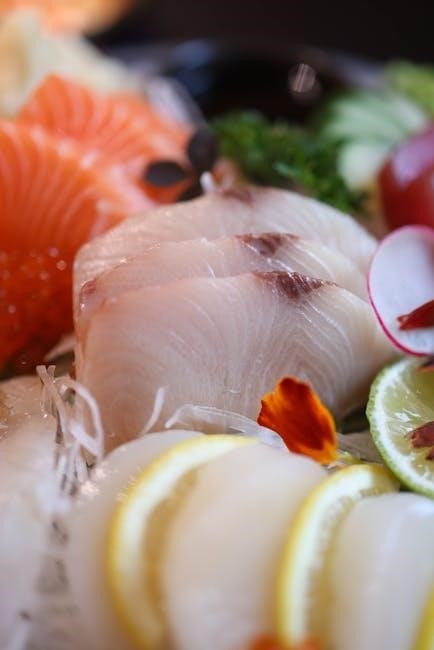
Yin foods are cooling and calming, adding moisture to the body. Examples include cucumber, watermelon, bananas, and spinach, as detailed in a Yin Yang food chart PDF.
Characteristics of Yin Foods
Yin foods, as outlined in a comprehensive Yin Yang food chart PDF, possess distinct qualities that differentiate them from their Yang counterparts. Primarily, they are characterized by their cooling nature, actively working to reduce internal heat within the body. This cooling effect extends to their ability to add moisture, counteracting dryness and promoting hydration.
Furthermore, Yin foods generally exhibit a lower fat content, but boast a higher water content, contributing to their hydrating properties. They are often associated with qualities of inwardness, quietude, and the stillness of nighttime, mirroring the receptive and nurturing aspects of the feminine principle. These foods are considered tonics, effectively replenishing the body’s coolness and fluids.
In essence, Yin foods are not simply about what you eat, but how they interact with your body’s internal environment, fostering balance and promoting a sense of calm and restoration. A Yin Yang food chart PDF serves as a valuable tool for understanding these nuances.
List of Yin Foods ─ Vegetables
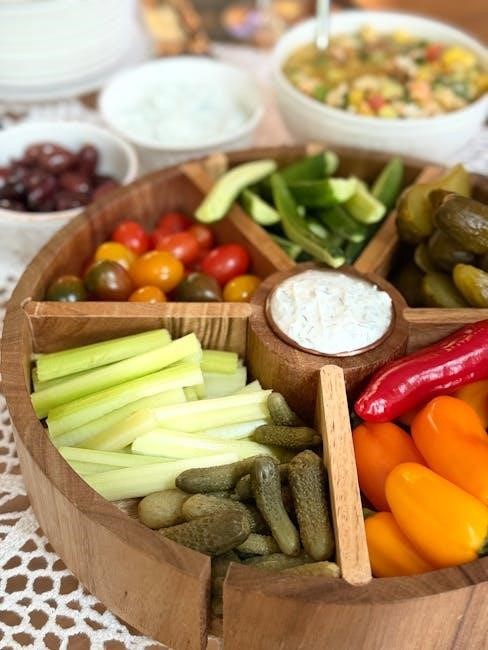
According to the Yin Yang food chart PDF, a diverse range of vegetables fall into the Yin category, offering cooling and hydrating benefits. Key examples include cucumber, renowned for its high water content and refreshing qualities. Celery also features prominently, contributing to hydration and a calming effect.
Leafy greens like spinach and bok choy are considered Yin, providing essential nutrients alongside their cooling properties. Radish, with its slightly pungent flavor, offers a gentle cooling sensation. Asparagus is another valuable addition, known for its diuretic effects and Yin nature. Finally, various types of seaweed, rich in minerals, are classified as Yin foods.
Incorporating these vegetables into your diet, as guided by a Yin Yang food chart PDF, can help balance internal heat and promote overall well-being. Remember that preparation methods can also influence a food’s Yin or Yang properties.
List of Yin Foods ─ Fruits
Referencing the Yin Yang food chart PDF, several fruits are categorized as Yin, known for their cooling and hydrating characteristics. Watermelon stands out as a prime example, boasting a high water content and naturally sweet flavor, making it exceptionally refreshing. Bananas are also considered Yin, offering potassium and a gentle energy boost without excessive heat.
Other notable Yin fruits include pears, which are hydrating and soothing to the digestive system, and berries like strawberries and blueberries, packed with antioxidants and cooling properties. Melons, in general, tend to be Yin, providing a light and refreshing sweetness. Apples, particularly green apples, also lean towards the Yin side.
Utilizing a Yin Yang food chart PDF allows for mindful fruit selection, supporting balance and promoting overall health. Remember to consider ripeness, as overly ripe fruits can become more Yang.
Yin Foods ⎼ Proteins & Grains
According to the Yin Yang food chart PDF, identifying Yin proteins and grains requires understanding their cooling and nourishing qualities. Generally, white meats like fish and chicken are considered more Yin than red meats, offering a lighter protein source. Tofu and other soy products also fall into this category, providing plant-based protein with cooling properties.
Regarding grains, white rice is often categorized as Yin due to its easily digestible nature and cooling effect; Oats, particularly when cooked with water, can also be considered Yin, offering a gentle and nourishing start to the day. Barley is another grain leaning towards the Yin side.
Consulting a Yin Yang food chart PDF helps ensure balanced meals. It’s important to note that preparation methods can influence a food’s Yin or Yang nature; steaming or boiling preserves Yin qualities.
Benefits of Incorporating Yin Foods
A Yin Yang food chart PDF highlights numerous benefits from embracing Yin foods. Primarily, these foods cool the body, counteracting internal heat and inflammation. This is particularly valuable for individuals experiencing symptoms of Yang excess, like restlessness or a flushed complexion.
Yin foods promote hydration due to their high water content, supporting healthy skin and digestion. They also nourish fluids, benefiting the kidneys and lubricating joints. The calming nature of Yin foods can reduce stress and promote a sense of tranquility.
Incorporating Yin foods, as guided by a Yin Yang food chart PDF, can improve sleep quality and support overall well-being. They are especially beneficial during warmer months or when feeling overheated. Remember balance is key; combining Yin with Yang ensures optimal health.

Understanding Yang Foods
Yang foods, as detailed in a Yin Yang food chart PDF, are warmer, drier, and increase internal body heat. They provide higher energy levels and often contain more fat.
Characteristics of Yang Foods
Yang foods, as illuminated within a comprehensive Yin Yang food chart PDF, possess distinct qualities that differentiate them from their Yin counterparts. Primarily, they are characterized by their warming nature, actively generating internal heat within the body. This isn’t merely a metaphorical warmth; it reflects their energetic impact on physiological processes.
Furthermore, Yang foods tend to be drier in composition, lacking the high water content prevalent in Yin foods. This dryness contributes to their stimulating effect, invigorating the system rather than soothing it. They are also associated with upward and outward movement of energy, promoting activity and expansion.
A key characteristic is their ability to provide substantial energy, often due to a higher fat content. This energy isn’t fleeting; it’s a sustained release, fueling physical exertion and mental clarity. Generally, Yang foods support circulation, boost metabolism, and strengthen the body’s defenses. Understanding these characteristics, as outlined in the chart, is crucial for balanced dietary choices.
List of Yang Foods ⎼ Vegetables
According to the Yin Yang food chart PDF, several vegetables are categorized as possessing Yang properties, contributing warming energy to the body. Onions, particularly when cooked, are a prime example, known for their pungent flavor and stimulating effect. Garlic shares this characteristic, offering both flavor and energetic warmth.
Other notable Yang vegetables include ginger, a powerful warming spice often used to aid digestion and circulation, and chili peppers, renowned for their fiery heat. Leeks and shallots also fall into this category, providing a milder yet still noticeable warming effect.
Additionally, root vegetables like sweet potatoes and yams, while containing some sweetness, are considered Yang due to their grounding and nourishing qualities. Asparagus, though sometimes listed neutrally, leans towards Yang when freshly harvested. Utilizing this list, derived from the chart, helps incorporate warming vegetables into a balanced diet.

List of Yang Foods ─ Fruits
The Yin Yang food chart PDF identifies fewer fruits as distinctly Yang compared to Yin fruits, reflecting their generally cooling nature. However, certain fruits possess warming properties and are categorized accordingly. Durian, known for its strong aroma and rich flavor, is a prime example of a Yang fruit, providing substantial energy.
Other fruits leaning towards Yang include lychee and longan, both offering a warming sweetness and often used in traditional Chinese medicine to tonify the heart and spleen. Dried fruits, in general, are considered more Yang than their fresh counterparts due to the concentrating effect of the drying process.
While not strongly Yang, mangoes, especially when ripe, can offer a gentle warming effect. It’s important to note that fruit classifications can be nuanced, and the chart serves as a guide for balancing overall dietary energy.
Yang Foods ⎼ Proteins & Grains
According to the Yin Yang food chart PDF, proteins and grains categorized as Yang generally possess warming and energizing qualities. Red meats, like beef and lamb, are considered strongly Yang, building blood and providing substantial warmth to the body. Chicken, particularly dark meat, also falls into this category, offering a moderate warming effect.
Regarding grains, warmer varieties like ginger and cinnamon-infused rice are considered Yang. Brown rice, while generally neutral, leans slightly towards Yang compared to white rice. Nuts and seeds, especially those that are roasted or toasted, contribute Yang energy.
It’s important to note that preparation methods influence a food’s Yang or Yin nature; roasting or frying increases Yang properties. Consuming these proteins and grains can be beneficial for those feeling cold or fatigued, but moderation is key to maintaining balance.
Benefits of Incorporating Yang Foods
The Yin Yang food chart PDF highlights numerous benefits from incorporating Yang foods into your diet. Primarily, Yang foods are excellent for warming the body, making them ideal during colder months or for individuals experiencing coldness, fatigue, or poor circulation. They boost energy levels, providing sustained vitality due to their denser nutritional content and warming properties.
Yang foods support digestion by stimulating digestive fire, aiding in the breakdown and absorption of nutrients. They can also strengthen the immune system, as warmth is believed to enhance the body’s defensive capabilities. Furthermore, these foods are beneficial for improving mental clarity and focus, combating brain fog.
However, the chart emphasizes balance; excessive Yang intake can lead to imbalances. It’s crucial to combine Yang foods with Yin foods to maintain overall harmony within the body.

Using a Yin Yang Food Chart
A Yin Yang food chart PDF provides dietary guidelines, classifying foods as cooling or warming to help you create balanced meals for optimal health and wellness.
How to Read a Yin Yang Food Chart PDF
Understanding a Yin Yang food chart PDF requires recognizing its core principle: categorizing foods based on their energetic properties – whether they are predominantly Yin (cooling, moistening) or Yang (warming, drying).
Typically, charts present foods in lists, often categorized by type (vegetables, fruits, proteins, grains). Each food is then assigned a classification, sometimes using symbols (like a dark/light shading) or simply labeling it as Yin, Yang, or Neutral.
Pay attention to the chart’s key or legend, as the specific method of classification can vary. Some charts may also indicate the degree of Yin or Yang – for example, strongly Yin versus mildly Yin.
Remember that these classifications aren’t about nutritional content in the traditional sense, but rather the energetic effect the food has on the body. The goal isn’t to eliminate either Yin or Yang foods, but to achieve balance.
Discerning a food’s nature is more powerful than memorization; use the chart as a starting point for observation and personal experience.
Interpreting Food Classifications
When interpreting classifications on a Yin Yang food chart PDF, remember that ‘Yin’ foods generally cool the body and are associated with moisture, quietness, and inward energy. These include many fruits like watermelon and bananas, and vegetables such as cucumber and spinach.
Conversely, ‘Yang’ foods warm the body, are often drier, and represent outward, active energy. Examples are ginger, garlic, and many meats. These foods provide higher energy levels and often contain more fat.
Neutral foods, as the name suggests, are considered balanced and don’t strongly lean towards either Yin or Yang. They tonify Qi and blood, harmonizing both energies.
It’s crucial to understand these are energetic qualities, not simply nutritional ones. A food’s classification isn’t fixed; preparation methods can alter its energy. Cooking generally makes foods more digestible and slightly more Yang.
Ultimately, the chart provides a framework for understanding how foods impact your body’s energetic state, guiding you towards balance.
Creating Balanced Meals with the Chart
Utilizing a Yin Yang food chart PDF for meal planning involves consciously combining foods to achieve energetic harmony. Aim for a balance – don’t exclusively focus on Yin or Yang. A truly nourishing meal incorporates elements of both.
For example, pairing a cooling Yin food like cucumber salad with a warming Yang protein like grilled chicken creates a balanced dish. Similarly, adding a small amount of ginger (Yang) to a fruit smoothie (Yin) can enhance digestion and balance the sweetness.
Consider the season. Summer calls for more Yin-cooling foods, while winter benefits from warming Yang choices. Listen to your body’s cues; cravings can indicate energetic imbalances.
The chart isn’t rigid; it’s a guide. Experiment with combinations, observing how different foods make you feel. Prioritize whole, unprocessed foods for optimal energetic quality.
Remember, balance is key to sustained energy, optimal digestion, and overall well-being.
Signs of Yin and Yang Imbalance
Recognizing imbalances is crucial! Yang excess presents as seeking coolness, thirst, and restlessness, while Yin excess manifests as fatigue and feeling cold.
Use the PDF chart to adjust your diet!
Symptoms of Yin Excess
Experiencing a surplus of Yin energy can manifest in several ways, signaling a need to rebalance your diet using a Yin Yang food chart PDF as a guide. Common symptoms include a persistent feeling of being cold, even in warm environments, and a general sense of sluggishness or fatigue.
Individuals with Yin excess may also notice an increase in bodily fluids, such as excessive sweating, nasal congestion, or edema. Digestive issues like bloating, loose stools, or a pale complexion can also be indicative of this imbalance. Emotionally, Yin excess might present as feelings of sadness, depression, or apathy.
Furthermore, a weak voice, a preference for warm drinks, and a tendency to crave sweet foods are often observed. Utilizing a Yin Yang food chart PDF allows for identifying foods that can help warm the body and restore balance, counteracting the cooling effects of excess Yin. Addressing these symptoms through dietary adjustments is key to restoring overall well-being.
Symptoms of Yang Excess
Recognizing Yang excess is crucial for restoring balance, and a Yin Yang food chart PDF can be instrumental in guiding dietary choices. This imbalance often presents with sensations of excessive heat within the body, leading to a constant feeling of being overheated, even in cool environments.

Common physical symptoms include thirst, a preference for cold beverages, and a tendency towards redness in the face or eyes. Individuals experiencing Yang excess may also suffer from dry skin, a dry cough, or constipation. Restlessness, irritability, and a quick temper can manifest emotionally.
Furthermore, a strong pulse, a loud voice, and a tendency to seek out cool places are frequently observed. Utilizing a Yin Yang food chart PDF helps identify cooling foods that can counteract the internal heat and restore equilibrium. Addressing these symptoms through dietary adjustments is vital for promoting overall health and well-being, bringing the body back into harmony.
Restoring Balance Through Diet
Utilizing a Yin Yang food chart PDF is paramount when seeking to restore balance within the body. Dietary adjustments form the cornerstone of re-establishing harmony between Yin and Yang energies. For those experiencing Yang excess, the focus shifts towards incorporating more Yin foods – those with cooling and hydrating properties.
This includes increasing consumption of vegetables like cucumber and spinach, alongside fruits such as watermelon and bananas. Prioritizing foods with higher water content and lower fat levels is key. Conversely, individuals with Yin excess should emphasize Yang foods to generate internal warmth.
The PDF chart serves as a practical guide, enabling informed food choices. It’s not about strict restriction, but rather mindful selection to support the body’s natural healing processes. Consistent application of these principles, guided by the chart, fosters long-term well-being and a renewed sense of vitality.
Applying Yin Yang Principles to Daily Meals
Employing a PDF Yin Yang food chart allows for balanced meal creation, optimizing energy and promoting rest. It’s about harmonizing cooling and warming foods throughout the day!
Breakfast: Balancing Yin and Yang
Starting your day with a balanced breakfast, guided by a Yin Yang food chart PDF, is crucial for sustained energy. Generally, breakfast benefits from a slightly Yang-leaning approach to kickstart metabolism.
Consider incorporating warming foods like cooked oats (moderately Yang) with a touch of maple syrup (slightly Yin) and a sprinkle of warming spices like cinnamon. Adding a small portion of protein, such as eggs (Yang), further supports energy levels.
Avoid overly cooling Yin breakfasts like large amounts of raw fruit or cold cereal, as these can lead to sluggishness later in the day. A small serving of berries (Yin) alongside the warmer components can provide balance.
Utilizing the chart helps discern the energetic properties of each ingredient, ensuring a harmonious start to your day. Remember, individual needs vary, so adjust based on your body’s signals!
Lunch: Optimizing Energy Levels
Leveraging a Yin Yang food chart PDF for lunch allows you to optimize energy levels throughout the afternoon. Unlike breakfast, lunch can benefit from a more balanced approach, or even a slight leaning towards Yin, especially in warmer climates.
A nourishing lunch might include a moderate portion of protein – perhaps grilled chicken or fish (moderately Yang) – paired with a generous serving of steamed or lightly stir-fried vegetables (mostly Yin), like spinach and bok choy.

Adding a small serving of whole grains, such as quinoa or brown rice (generally neutral), provides sustained energy without being overly heating. Avoid heavy, greasy foods, which are strongly Yang and can cause afternoon sluggishness.
Referencing the chart ensures you’re incorporating a variety of energetic qualities, supporting digestion and preventing energy crashes. Listen to your body and adjust portion sizes accordingly!
Dinner: Promoting Rest and Recovery
Utilizing a Yin Yang food chart PDF for dinner is crucial for promoting rest and recovery overnight. As the day winds down, prioritize Yin foods to cool the body and prepare it for sleep. Heavy, Yang foods consumed at night can disrupt sleep patterns.

A suitable dinner might feature a light protein source like tofu or white fish (mildly Yin), accompanied by a larger portion of cooked, cooling vegetables such as asparagus or cucumber. Soups and stews, with their high water content, are excellent choices.
Minimize spicy or fried foods, and limit red meat, all of which are strongly Yang. Small amounts of healthy fats, like avocado, can be included.
The chart guides you in creating a meal that supports the body’s natural restorative processes, ensuring a peaceful and rejuvenating night’s sleep. Prioritize gentle nourishment over heavy indulgence.
Resources and Further Learning
Find a Yin Yang food chart PDF online for dietary guidelines! Explore additional resources for Yin Yang nutrition to deepen your understanding and practice.
Where to Find a Yin Yang Food Chart PDF
Numerous online resources offer downloadable Yin Yang food chart PDFs, providing a convenient way to access this valuable dietary information. A quick internet search using keywords like “Yin Yang food chart PDF” or “traditional Chinese medicine food chart” will yield a variety of options.
Many websites dedicated to Traditional Chinese Medicine (TCM) and holistic health offer these charts as free downloads. Look for reputable sources that clearly explain the principles behind Yin and Yang food classifications. Some practitioners also provide charts to their clients as part of their consultations.
When selecting a PDF, consider its clarity and comprehensiveness. A good chart will categorize foods into Yin, Yang, and neutral categories, making it easy to identify the energetic properties of different foods. Remember to cross-reference information from multiple sources to ensure accuracy and a well-rounded understanding.
Always prioritize charts from trusted sources to ensure the information aligns with established TCM principles.
Additional Resources for Yin Yang Nutrition
Beyond the Yin Yang food chart PDF, a wealth of resources exists for deepening your understanding of this nutritional approach. Explore websites dedicated to Traditional Chinese Medicine (TCM) for articles, recipes, and practitioner directories.
Books on TCM nutrition offer in-depth explanations of Yin and Yang principles, food energetics, and how to apply them to specific health conditions. Look for authors with strong credentials in TCM and a clear writing style.
Consider consulting with a qualified TCM practitioner or nutritionist experienced in Yin Yang dietary therapy. They can provide personalized guidance based on your individual constitution and health needs.
Online courses and workshops are also available, offering a structured learning experience and the opportunity to connect with other enthusiasts. Remember that discerning a food’s nature is powerful, so focus on understanding the framework!
Utilize resources that emphasize balance and moderation, recognizing that optimal health requires a harmonious blend of Yin and Yang.